Solar panels are one of the most effective ways for UK homeowners to reduce energy bills, lower their carbon footprint and gain greater control over their energy use. However, not every roof receives uninterrupted sunshine throughout the day. Trees, chimneys, neighbouring properties and other structures can create shade that affects solar panel performance.
Many homeowners wonder whether their property is suitable for solar panels if parts of the roof are shaded. The good news is that some shading does not automatically rule out solar energy. Thanks to advances in solar technology and expert system design, many homes with shaded areas can still benefit from significant energy savings.
At Solar Dream, we carefully assess every property to ensure homeowners receive a solar solution that delivers the best possible performance. In this guide, we’ll explore how shade affects solar panels, the common sources of shading, and the practical steps you can take to maximise your system’s output.
Why Sunlight Is Essential for Solar Panels
Solar panels generate electricity by converting sunlight into usable energy through photovoltaic (PV) cells. The more sunlight reaches the cells, the more electricity the system can produce.
While modern solar panels can continue generating power during cloudy weather, direct sunlight remains the most effective source of energy production. Any object that blocks sunlight from reaching the panels can reduce their efficiency and overall output.
The extent of the impact depends on several factors, including:
- The size of the shaded area
- The duration of shading
- The time of day shading occurs
- The type of solar panel system installed
- The technology used within the system
Understanding these factors helps homeowners make informed decisions when planning a solar installation.
How Shade Affects Solar Panel Performance
Many people assume that shade only affects the part of the panel covered by a shadow. In reality, the impact can be much greater.
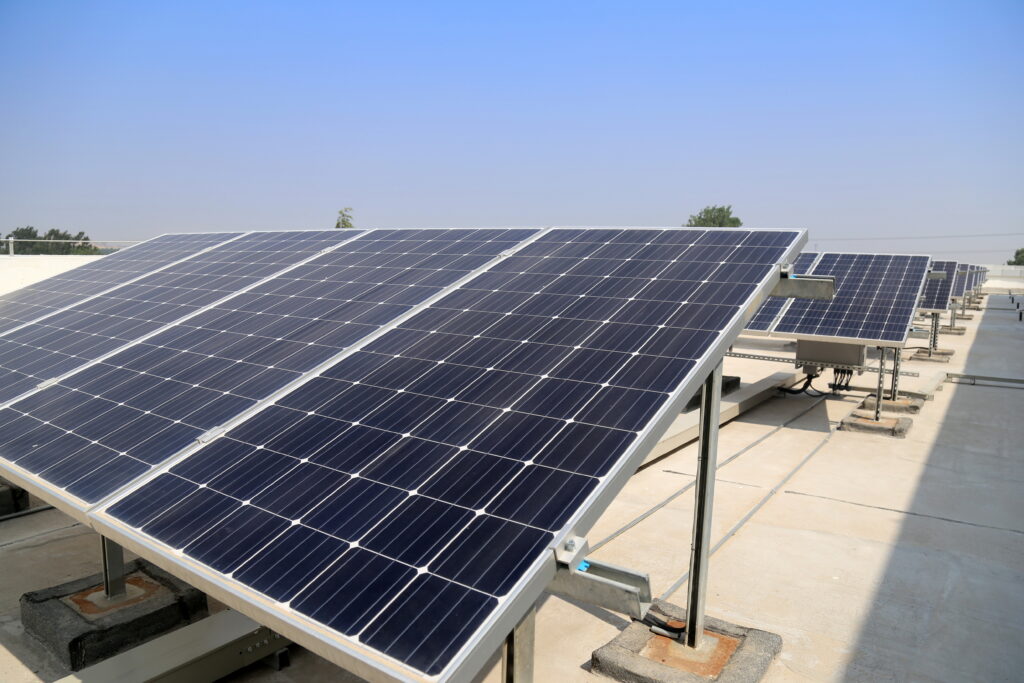
Traditional solar systems often connect multiple panels in a series, known as a string. If one panel in the string is heavily shaded, it can reduce the performance of the entire group.
This can lead to:
- Reduced electricity generation
- Lower system efficiency
- Decreased energy bill savings
- Reduced Smart Export Guarantee (SEG) earnings
- Longer return-on-investment periods
The amount of energy lost depends on how much of the system is affected and how frequently shading occurs.
Common Sources of Solar Panel Shade
Trees
Trees are one of the most common causes of solar panel shading.
While trees can enhance privacy, improve landscaping and provide natural cooling, they may also cast shadows across the roof throughout the day.
Large trees located south of a property can have a particularly significant impact on solar production.
Seasonal Changes
The effect of trees often changes throughout the year.
Deciduous trees lose their leaves during autumn and winter, allowing more sunlight through. During spring and summer, however, dense foliage can create substantial shading.
This seasonal variation is one reason why professional solar assessments evaluate sunlight exposure across the entire year.
Tree Growth Over Time
Even if a roof receives excellent sunlight today, nearby trees may continue growing and eventually affect system performance.
At Solar Dream, we consider future tree growth when assessing solar suitability, helping homeowners avoid unexpected reductions in output later on.
Chimneys
Chimneys are another frequent source of shading on UK homes.
Although they may occupy relatively little roof space, chimneys can cast long shadows, especially during the morning and evening when the sun sits lower in the sky.
Depending on the chimney’s location, shadows may affect one or several panels.
A professional installer can often minimise these effects by carefully positioning panels around roof obstacles.
Neighbouring Buildings
In urban and suburban areas, neighbouring properties can significantly influence solar access.
Potential sources include:
- Adjacent houses
- Apartment blocks
- Commercial buildings
- Garages and outbuildings
The impact is often greater during winter when the sun remains lower in the sky for longer periods.
A detailed site survey helps determine how nearby structures affect annual solar generation.
Roof Features and Obstructions
Additional roof features can also create shade, including:
- Dormer windows
- Skylights
- Roof vents
- Satellite dishes
- TV aerials
Although these features are generally smaller than trees or buildings, they can still reduce panel performance if not accounted for during system design.
Partial Shade vs Full Shade
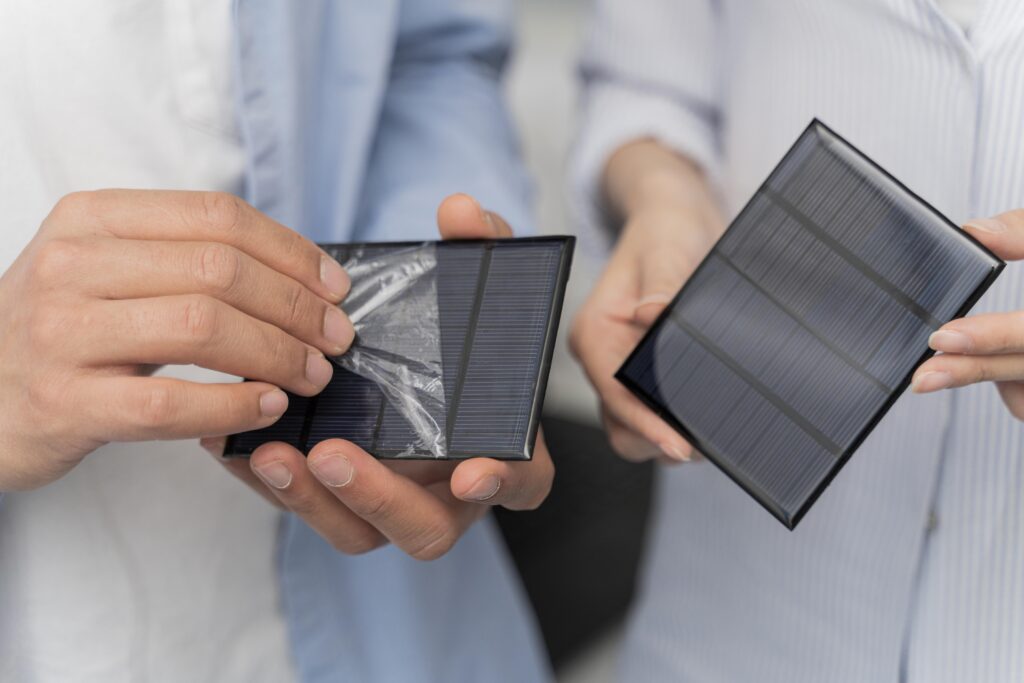
Not all shading affects solar panels in the same way.
Partial Shade
Partial shade occurs when only a portion of a panel or array is shaded.
Examples include:
- Tree branches
- Chimney shadows
- Utility poles
- Roof fixtures
Even small areas of shade can affect performance if the system is not designed to handle them efficiently.
Full Shade
Full shade occurs when a panel receives little or no direct sunlight for extended periods.
Examples include:
- Large neighbouring buildings
- Dense tree canopies
- Major roof obstructions
Full shade generally has a more substantial impact on energy generation and may require alternative panel placement or additional optimisation technology.
Modern Solar Technology Helps Reduce Shade Losses
Solar technology has advanced significantly over the last decade, making solar installations more effective in shaded environments.
Power Optimisers
Power optimisers are installed at the panel level and help each panel perform more independently.
Benefits include:
- Improved energy generation
- Better performance in partially shaded conditions
- Enhanced system monitoring
- Reduced losses from individual shaded panels
Microinverters
Unlike traditional string inverters, microinverters convert electricity at each individual panel.
This means one shaded panel is less likely to reduce the performance of the entire system.
Advantages include:
- Greater energy production
- Improved reliability
- Detailed panel-level monitoring
- Better performance on complex roofs
High-Efficiency Solar Panels
Modern high-efficiency solar panels can produce more electricity from available sunlight, helping homeowners maximise output even when roof space or sunlight exposure is limited.
At Solar Dream, we carefully select high-performance components that deliver reliable long-term results.
How Solar Dream Assesses Shading
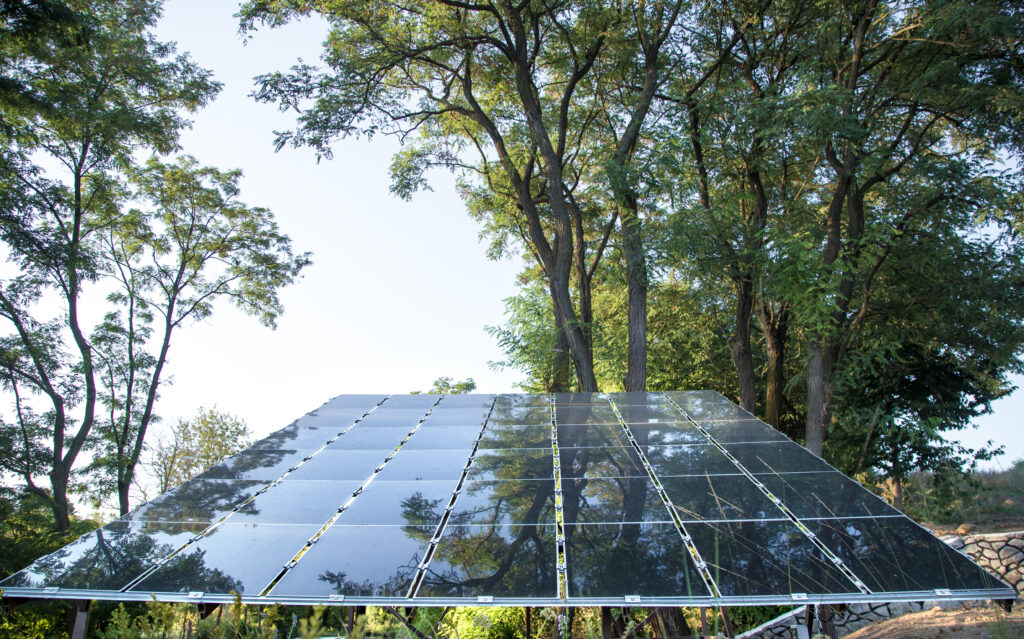
A successful solar installation begins with a professional site survey.
Our team evaluates multiple factors, including:
- Roof orientation
- Roof pitch
- Available roof space
- Nearby trees
- Chimneys and roof obstacles
- Neighbouring buildings
- Seasonal sunlight patterns
Using advanced assessment techniques, we identify potential shading issues before installation and design systems that maximise energy generation throughout the year.
This detailed approach helps ensure homeowners receive realistic performance expectations and the best possible return on their investment.
Practical Solutions for Managing Shade
If shading is present, there are several ways to reduce its impact.
Tree Maintenance
Regular pruning can help improve sunlight access while maintaining the health and appearance of trees.
Homeowners should always use qualified professionals and check local regulations before carrying out significant tree work.
Strategic Panel Placement
Sometimes relocating panels to sunnier sections of the roof can significantly improve performance.
Professional system design plays a crucial role in identifying the most productive panel positions.
Solar Optimisation Technology
Microinverters and power optimisers are often excellent solutions for properties affected by partial shading.
These technologies help minimise energy losses and improve overall system efficiency.
Alternative Installation Locations
In some situations, homeowners may benefit from:
- Garage roof installations
- Outbuilding roof installations
- Ground-mounted solar systems
These alternatives may provide better sunlight exposure than the main roof.
Is Your Home Still Suitable for Solar Panels?
Many homeowners assume their property is unsuitable for solar panels because of nearby trees or neighbouring buildings.
In reality, most homes can still benefit from solar energy.
The key is understanding:
- How much shade exists
- When shading occurs
- Which areas of the roof remain unobstructed
- Which technologies can minimise losses
A professional solar assessment provides the most accurate picture of a property’s solar potential.
Even homes with moderate shading can often achieve substantial reductions in electricity bills when the system is properly designed.
The Importance of Professional Installation
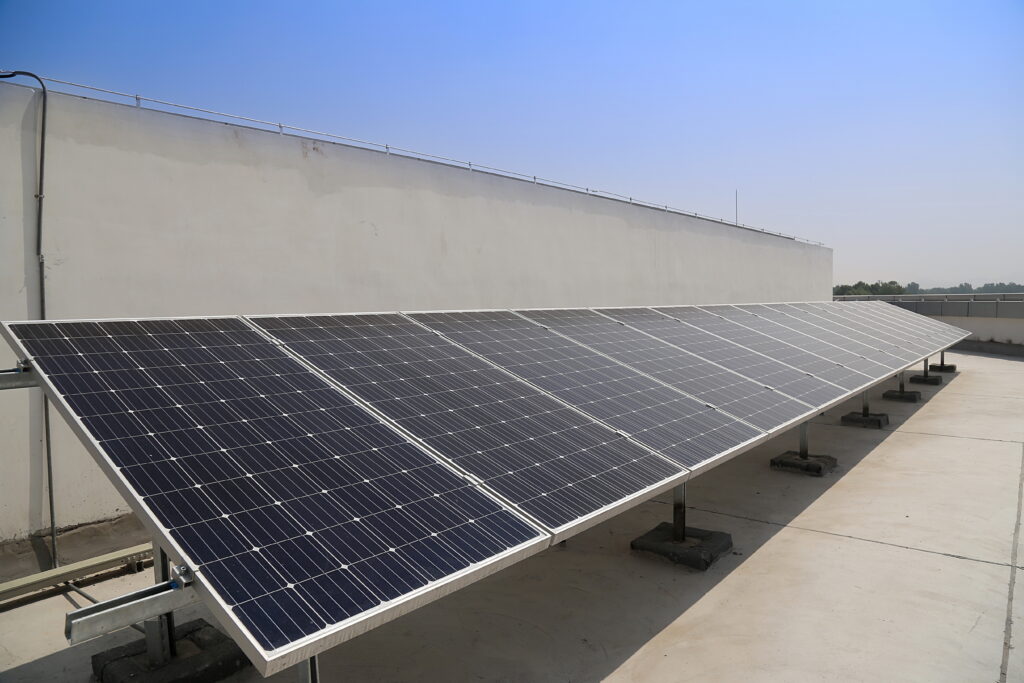
Solar panel performance depends on more than just the quality of the equipment.
Proper design, accurate shade analysis and expert installation all contribute to long-term system success.
Choosing an experienced installer ensures:
- Accurate generation estimates
- Optimised panel placement
- Appropriate inverter selection
- Maximum return on investment
- Reliable long-term performance
At Solar Dream, we combine industry expertise with high-quality products to deliver tailored solar solutions that help homeowners make the most of renewable energy.
Conclusion
Shade is one of the most important factors influencing solar panel performance. Trees, chimneys, neighbouring buildings and roof obstacles can all reduce electricity generation if not carefully considered during the design process.
Fortunately, modern solar technology provides effective ways to minimise the impact of shading. Through detailed site assessments, intelligent system design and advanced optimisation solutions, many homes with shaded areas can still enjoy excellent solar performance and significant energy savings.
At Solar Dream, we specialise in designing bespoke solar systems that maximise energy production for every property. Whether your roof experiences occasional shade or more complex challenges, our team can help you find the most effective solution.
Book your free shade assessment. Solar Dream surveys your roof, models your shading profile, and gives you a written output estimate at no cost and with no obligation to proceed.