
INTRODUCTION
EV ownership in the UK is growing at record pace with over one million plug-in vehicles now registered. For the growing cohort of homeowners who already have (or are considering) solar panels, combining them intelligently with a home EV charger is one of the most powerful ways to drive down running costs. Yet most solar installers treat the two technologies as separate conversations. This guide brings them together.
Solar Dream already covers both topics in separate posts. This piece unites them into a practical, money-saving guide that positions Solar Dream as the go-to installer for the EV-owning household and drives enquiries for combined solar + EV charger installations.
Why the combination matters: The basic math
A typical 4kW solar system in the UK generates around 3,400 kWh per year. The average EV in the UK is driven roughly 7,500 miles annually, which requires approximately 2,100 kWh to charge. In other words, a well-sized solar array could theoretically power your car almost entirely from sunshine if you charge at the right time.
The catch: solar generates power during the day, while most people plug their EV in overnight. Without a smart charger or an intelligent tariff, you miss most of your free solar energy and pay grid rates for the bulk of your EV charging. This guide explains how to close that gap.
Time-of-use tariffs charge cheap, not just green
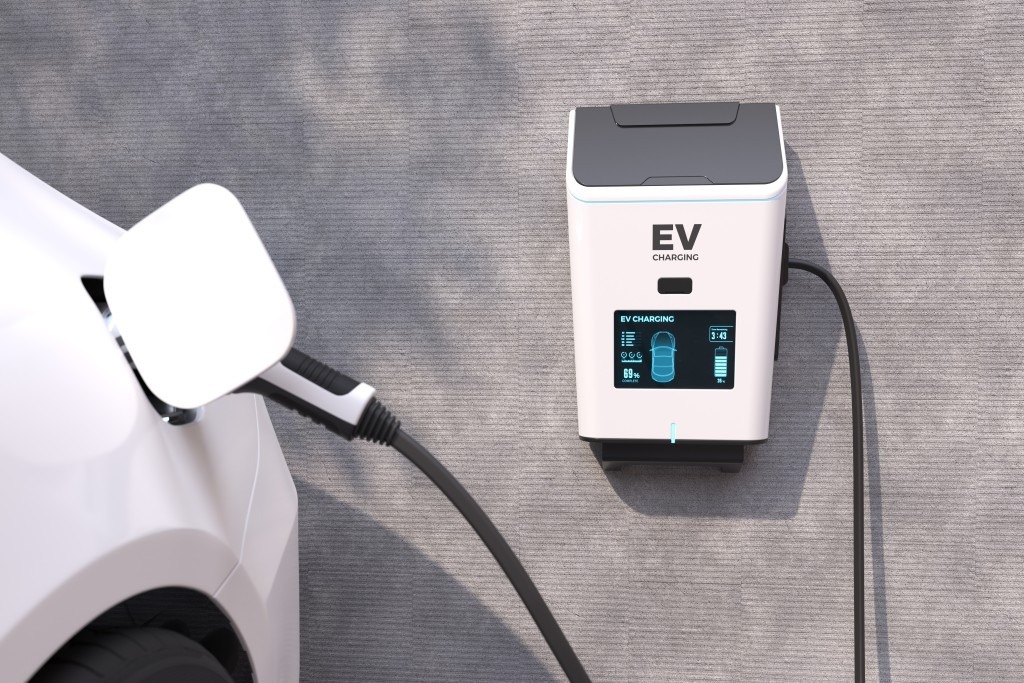
Time-of-use (ToU) tariffs charge different rates depending on when you draw from the grid. For EV owners without solar, this means scheduling overnight charging during the cheapest window.
For solar + EV households, the strategy becomes layered: use your solar generation to charge during the day whenever possible, then fall back to the cheap overnight window for any shortfall. A smart charger is essential to automate this.
What savings can you realistically expect?
The figures below are illustrative based on 2026 UK energy prices. Actual savings will vary based on your driving habits, system size, and tariff.
Scenario: 4kW solar array, 7,500 miles per year EV.
- Without solar or smart charging: approximately £900–£1,100/year in EV charging costs at standard rates
- With smart overnight tariff only (no solar): approximately £400–£500/year
- With solar + smart charger + intelligent tariff: approximately £150–£250/year
That is a potential saving of £650–£900 per year on EV charging alone on top of the household electricity savings your solar system already delivers.
Battery storage: the missing piece for maximum self-sufficiency
Adding a home battery closes the final loop. Your solar charges the battery during the day; the battery charges your EV in the evening. You draw from the grid only when neither source can meet demand.
For EV owners who drive substantial distances, battery storage typically upgrades the system from ‘significantly cheaper’ to ‘near grid-independent’ for transport costs. Solar Dream’s battery packages are designed to integrate cleanly with your existing or new EV charger.
Solar Dream’s integrated solar + EV installation service
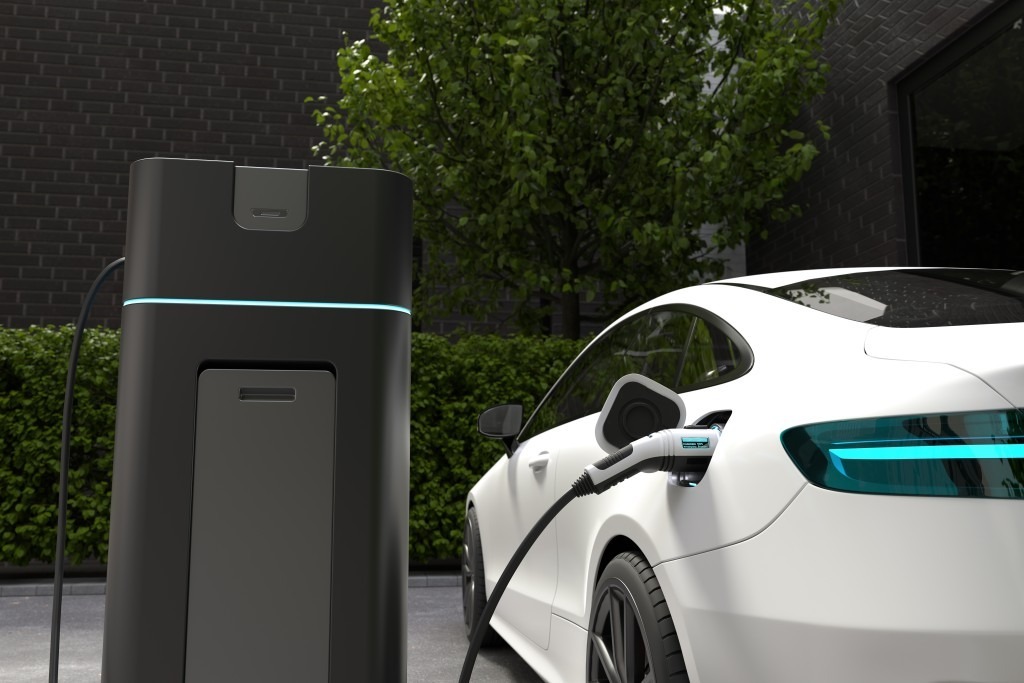
Rather than dealing with a solar installer, an electrician, and an EV charger provider separately, Solar Dream handles the full package: system design, panel installation, inverter setup, battery integration, and EV charger wiring all under one MCS-certified roof.
This matters for two reasons: a coordinated installation is neater, faster, and avoids compatibility issues. And a single point of contact for aftercare means any post-install questions are dealt with efficiently. Ready to go solar and EV together? Get a combined solar + EV charger quote from Solar Dream one call, one installation, one warranty