The solar panels can be installed to reduce electricity bills, increase energy independence. Listed buildings have additional regulations on their owners. There are planning, safety, and preservation rules, which means that you have to know what to do and what is permitted.
Solar Dream is well versed in installing solar systems that comply with the UK rules and do not damage historic buildings.
What Is a Listed Building?
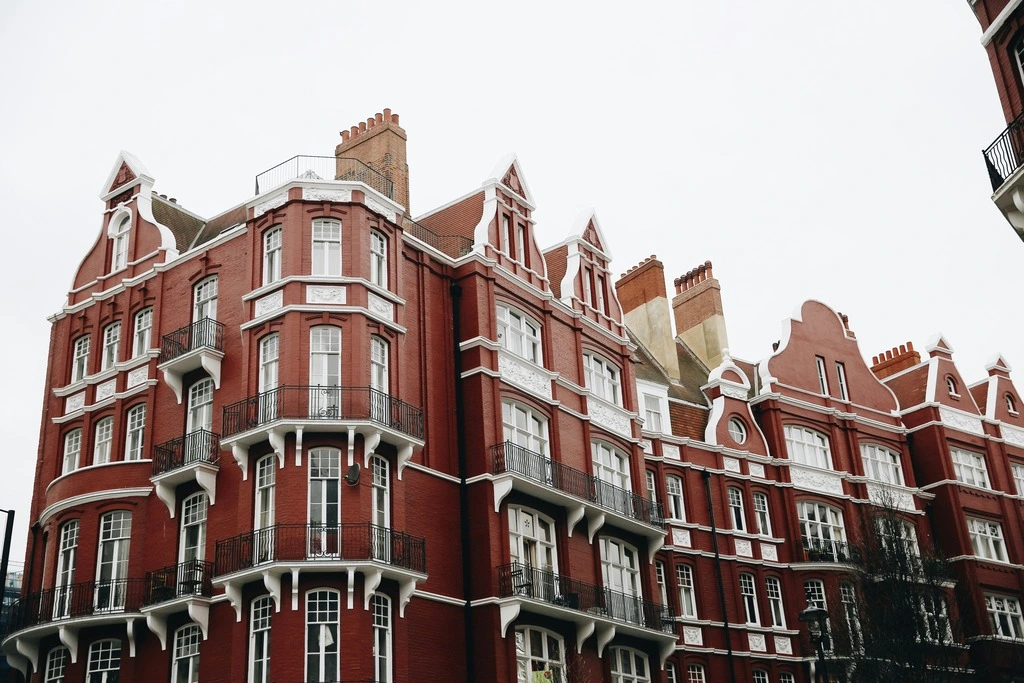
An official list is a category of building that is recognised to be of historic or architectural interest. These buildings are safeguarded by the law in the UK, without allowing any changes to their character.
This affects solar installation as panels have to:
- Be discreet
- Reduce destruction of the structure.
- Adhere to land conservation areas.
- Even flat roofs, sheds or slate roofs panels need to be planned.
Will Solar panels be allowed on listed buildings?
Of course there are limitations but there are. Owners are required to have planning permission on the part of their local authority.
The council will consider:
- Visibility from the street
- Effect on architectural features
- Architectural effects.
Particularly in the UK, the latest solar kits contain panels of low profile and lightweight to be added to listed buildings.
Forms of Panels Which are Suitable to Listed Buildings
- Flat-roof panels: there is minimum visibility, and they are simple to combine with mounting systems.
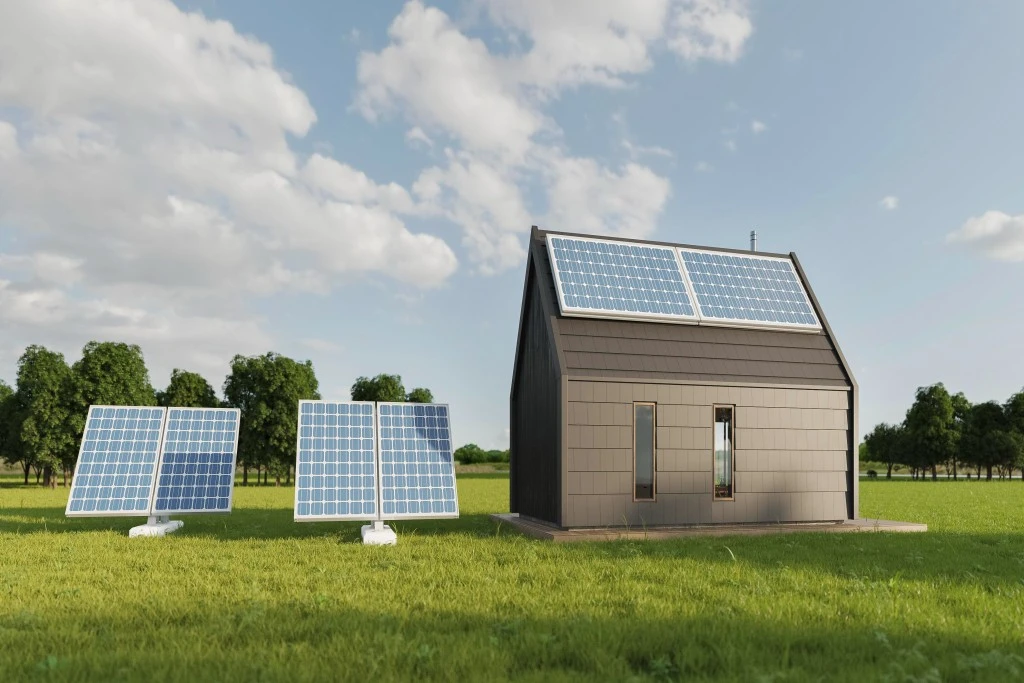
- Lightweight panels: These are used in the garage roofs, shed, or outbuilding without straining the structure.
- Build-in panels: These panels will be incorporated into buildings, and they can be combined with roof tiles or slate, retaining the old design style.
How planning and permission works?
An elaborate application should be sent to the local conservation authority. Included, a panel specification, dimensions, a mounting style, as well as a wiring layout. Enforce high protection procedures like bird guards or mesh which deters people. Ensure the proper installation of any optimisers, inverters and battery kits, that they are placed safely and follow regulations.
Advantages of Installing Solar Panels on Listed Buildings.
- Lower electric bills and at the same time maintain the integrity of the building.
- Modern design: Power will be available as solar-battery appliances on sheds or onsite.
- Self-sufficiency that is in line with the conservation laws.
- Grant eligibility UK The panels can be applied to a UK grant in case they meet both the MCS certification and the planning approvals.
Key Problems and Concerns
- Panels should not distort the image of the building.
- Extra time and expense on listed building consent.
- Slate or old fashioned tiles demand high attention when mounted.
- Visible panels might not be viewed in all places, the outbuildings/sheds might be better.
Key Takeaways
- Solar panels may be installed on a listed building though planning permission is needed.
- Low-profile high-lightweight building-integrated versions are recommended.
- Collaborate with accredited firms such as Solar Dream in order to ensure that it obtains solar panel grants UK and conservation regulations.
- Adequate installation is safe, efficient and will conserve the historic character.
Conclusion
Solar panels can be mounted on listed houses, yet providing well-orienting planning, professional installation and following the conservation regulations. Solar Dream provides professional advice to historic buildings, offering secure and popular and legal solutions: including the solar kits battery and inverter in the UK, as well as the panels of flat roofs or sheds and outbuildings.
FAQs
Yes, but only with planning permission and sensitive installation so as not to harm the character of the building.
learners- certification facilitates safety and grants eligibility.
Often yes Less restrictive can be solar panels on sheds or on outbuildings.
Not when you use lightweight panels, correct mounts and such protection possibilities as solar panel bird mesh.