
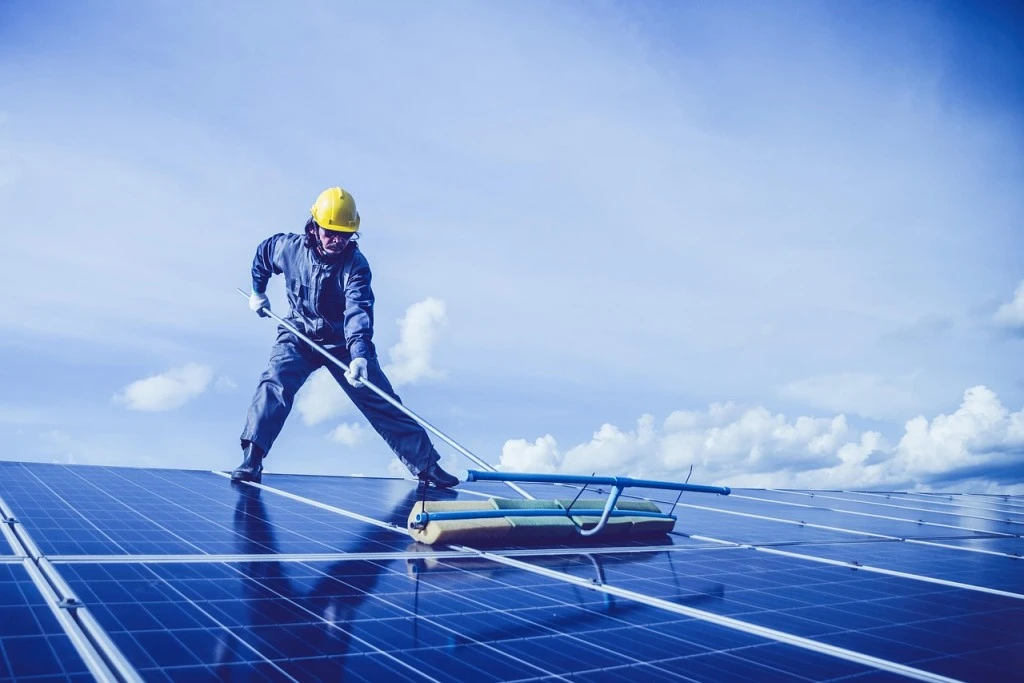
A great investment in solar panels is a cost-saving measure and will save you a lot of carbon footprints yet most house owners will question, do you have to wash the solar panels? The fact is that dust, pollen, and droppings of birds, even in small quantities, may decrease the effectiveness of your system and decrease its energy output. This guide will answer the question on why cleaning is important, the frequency of cleaning and some tips on how you can clean your Solar dream system to ensure it works in optimal condition.
By the end, you will be completely aware of whether do solar panels need to be cleaned, whether you can do it yourself, and how professional solar cleaning can keep your system functioning effectively for years.
Table of Contents
- The Importance of Solar Panel Cleaning.
- The Frequency of Cleaning Solar panels?
- Home vs Commercial Cleaning: Which one is superior?
- How to Clean Solar Panels in a Step-by-Step Guide.
- How to Clean the Solar Panels without Making the same Mistakes.
- Conclusion
The importance of Solar Panels Cleaning.
In case you are asking, do solar panels have to be cleaned, the answer to this question is yes. Solar panels that are subjected to the outdoor conditions collect dust, pollen, leaves, bird droppings, and so on. A thin coating of dirt can decrease the efficiency of solar panels by a quarter.
It is also imperative that you maintain your solar panels periodically in order to have your Solar Dream system generate the maximum amount of electricity. Hot spots can also occur on the dirty panels and destroy the photovoltaic cells making your solar energy system less durable.
Having solar panels washed regularly will save your investment, maximize the energy production, and guarantee that your system will save you a fixed amount of money in electricity payments.
The Frequency of Cleaning Solar panels?
Whether to clean or not to clean frequently, it depends on the climate and surroundings of your area. The knowledge that solar panels require cleaning and the frequency may contribute to the maximization of efficiency:
- Dry or dusty areas: Cleaning of the panels should be done after every 3-4 months.
- Rainy locations: Panels do not get dirty and need to be cleaned once every year because of rainfall.
- Bird-prone regions: Your panels can be ruined by droppings and this should be inspected and cleaned regularly.
Although some cleaning would be done by rain, manual cleaning of solar panels makes sure that all stubborn dirt, pollen and mineral damaged areas are cleaned making them more efficient. Another way of ensuring a reliable system of solar energy on a year-round basis is seasonal cleaning.
DIY cleaning vs professional cleaning: Which is the best?
The questions many homeowners would pose are: Do I need to hire someone to clean my solar panels or can I clean it myself? The merits of both alternatives include:
DIY Cleaning
Cleaning your solar panels yourself can be cost-effective and convenient, especially for small residential setups. Using soft brushes, sponges, or squeegees with mild soap is usually enough to remove light dirt. However, DIY cleaning can be risky on high or sloping roofs and may not be as thorough as professional services.
Professional Solar Cleaning
Hiring experts ensures your panels are cleaned safely and efficiently. Professionals have the right tools and experience to avoid damaging the panels while also checking for cracks, wiring issues, or shading problems. Their services often include warranty protection and can help maximize your system’s energy output.
For most homes, light dirt can be handled with DIY cleaning, but professional cleaning at least once a year is recommended to keep your solar system safe, efficient, and long-lasting.
Best step-by-step instruction on how to clean solar panels.
Should you choose to clean your panels yourself, you can do the job in the most effective way by following the following steps:
- Power down your system: Eliminates electrical dangers.
- Cleaning tools: Soft tools, sponge/brush or squeegee and mild soap should be used.
- Water source: It should preferably be clean water or rain water in order to avoid streaks.
- Scrub: Do not press to hard on the panel.
- Wash: Dry or use a squeegee or air dry.
- Check damages: Check the existence of cracks and loose wiring, shading problems.
These steps are useful in ensuring that solar panels are efficient and not damaged and your solar energy system is in the best condition.
Best Practices to Halt the Cleaning of Solar Panels.
Even minor errors may decrease the amount of energy that you produce or may break your panels. Here’s what to avoid:
- Working on such abrasive substances that scratch the surface.
- Powerful washers which may cause damage to seals and wires.
- Disregard of the safety measures particularly on slanting roofs.
- Critical negligence by not performing inspections that are able to detect early damage.
- These errors can be avoided and this just means that your Solar Dream system can go on generating clean energy effectively and last longer.
Conclusion
Then, are solar panels to be cleaned? Absolutely. Cleaning helps to save energy, preserve your panels and guarantee you to save money in the long term. Regardless of whether you prefer to do the cleaning of your solar panels yourself or hire an expert to do the cleaning, it is important to observe safe cleaning techniques.
During its appropriate maintenance, your Solar Dream system will serve to produce clean dependable energy as well as keep the solar panels functioning at their optimum level. Consistent cleaning can maximize your energy output, save on electric power and make sure that your solar energy system will work in the long run. Wash your panels today and you will have all the benefits of the solar power tomorrow.
FAQs
The benefit of most panels is 1-3 cleanings in a year, based on the dust, pollen and bird activity.
Rain cleanses a little bit of dirt and it tends to leave traces. To achieve maximum efficiency, cleaning is done manually.
Yes, professional cleaning at least once in a year means that all debris is completely removed and your warranty is not violated.
It is better to clean up early morning or late afternoon before the thermal shock occurs and to clean up safely.
Yes, soft brushes with mild soap can do. Do not use rough chemicals or rough instruments that are able to scratch the panels.


