UK government has also increased its list of energy saving materials (ESM) that qualify to be charged no VAT. Retrofitted and standalone battery energy storage systems installed in the homes of residential buildings will be tax-free starting in February 2024.
The 0% VAT was previously limited to cases whereby the battery was fitted with other ESMs like the solar panels. The government has now realised that battery storage can be created to help lessen the dependency of households on the grid. This would be true of all home battery installations, both as part of a solar panel and battery kit and as separate ones.
What zero percent VAT Would Mean to homeowners
The elimination of VAT is akin to a discount of battery system by 20 percent, and thus, investment in energy storage becomes cheaper. This can be a significant boost to the returns on investment in households whose living costs are rising and who do not have access to energy bills discounts this winter.
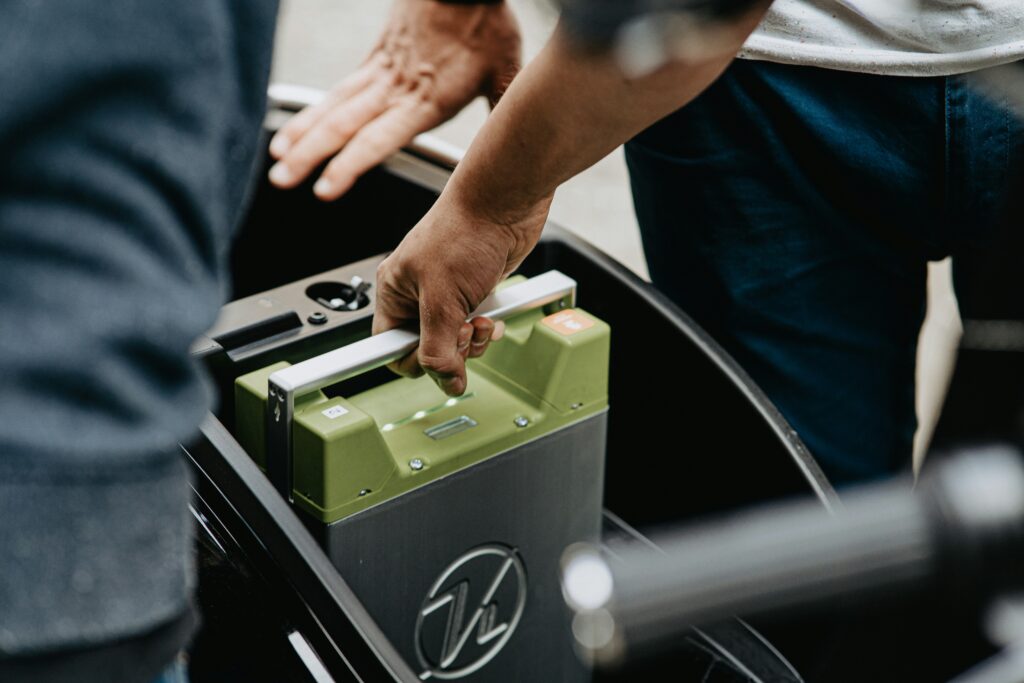
Home battery systems are able to store electricity which can be used later and it comes in handy especially when paired with solar panels or solar panel kits that have battery and inverters. It is possible to store the surplus solar energy throughout the day and utilize it at night, or when the sun cannot produce enough energy, which doesn’t depend on the grid.
Advantages of Home Battery Storage
- Time -of-use optimisation: On multi-rate tariffs, such as Economy 7, batteries can be charged in cheaper off-peak periods and then used to supply your home when rates are more expensive.
- More self-consumption: With the addition of domestic solar panels, be it on flat roofs, garage roofs, sheds, or even vehicles, batteries permit you to store surplus energy as opposed to sending it out, making solar power of outbuildings or a solar-powered shed more functional.
- EV integration: A wide range of home EV chargers and solar chargers are integrable with battery storage and you can charge vehicles with solar or grid stored energy.
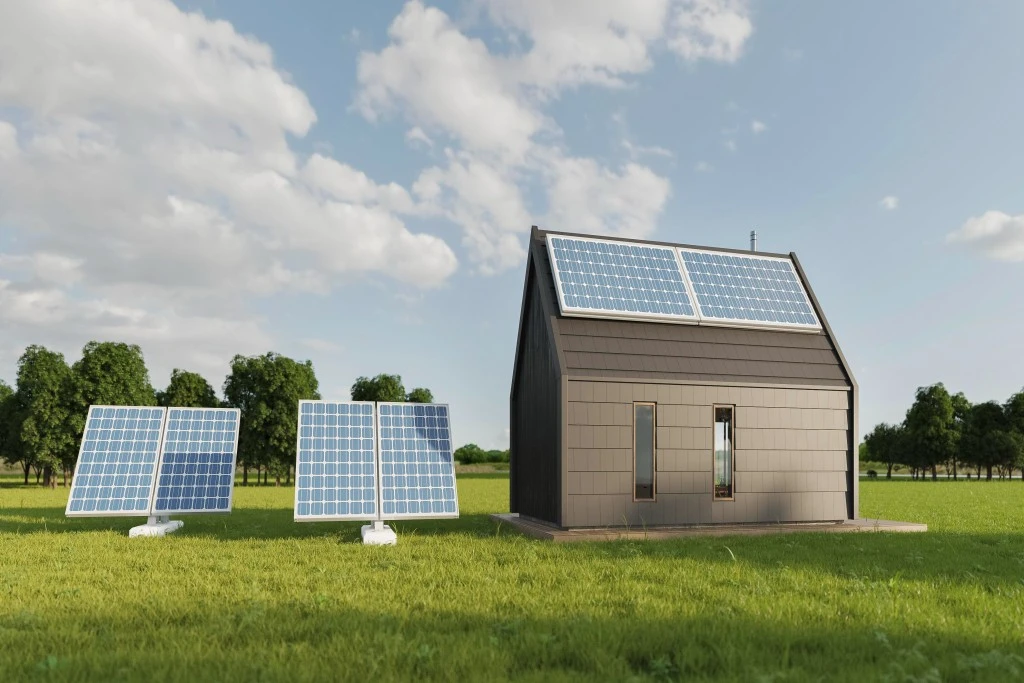
Battery storage may be built into a solar PV system or retrofitted to an existing system or built as an independent system. Batteries, in combination with solar panels to sheds, solar panels to flat roofs, or solar panels in conservation areas, enable the flexible and efficient energy storage.
Planning your Solar panel and battery system
In the case of a solar installation kit or solar panel and battery kit, some of the main factors are:
- Dimensions and size of solar panel: Make sure that your panels do not exceed the space or size of your roof. The choices are solar panels on sheds, flat roofs, garage roofs or even vehicle solar panels.
- Mounting: Solar panel mounting options achieve optimisation by roof mounting solar panels, mounting in fences and mounting accessories.
- Protection and maintenance: Damage is avoided by solar panel bird guards, solar panel mesh and solar panel pigeon protection. Solar panels do not require a lot of maintenance since most panels are low-maintenance but can be made to be efficient by their respective solar panel cleaners.
- Storage battery: Take the price and capacity of solar batteries into account. A complete solar energy system may be a set of solar panels powered by solar battery kits.
Is the VAT Exemption Effective?
The battery storage 0% VAT is applicable from 1 st February 2024 in the UK. The exemption will be in place until 31 st March 2027 after which the VAT will be increased to 5 percent unless the government extends the scheme. Other ESMs which have been introduced to the list of VAT-free are water-source heat pumps and retrofitted immersion diverters and charitable buildings are also subject to tax relief.
Additional Considerations
- Efficiency: Solar panel optimisers have the capacity of maximising output.
- Installation types: Lightweight solar panels, slate roof solar panels or conservation area solar panels need to be planned well.
- Applications: Solar panels can be used in garden sheds, solar-powered house number signs, solar house signs or solar pumps to increase its application beyond conventional rooftops.
- Wiring and configuration: The wiring and configuration of solar panels can be made in series or parallel and this depends on energy storage and efficiency.
Summary
Investment in solar panel and battery systems is now affordable due to the new VAT exemption. The homeowners are able to cut down on the energy bills, maximize self-use and even allow EV charging with the use of solar panels, solar battery kits and standalone battery storage. Effective planning such as the sizes of the panels, their mounting options, and the capacity of the batteries, will provide the highest efficiency and savings in the long run.
The proposed change in policy allows households to adopt renewable energy, achieve better energy self-reliance, and gain economic and financial benefits at the same time.