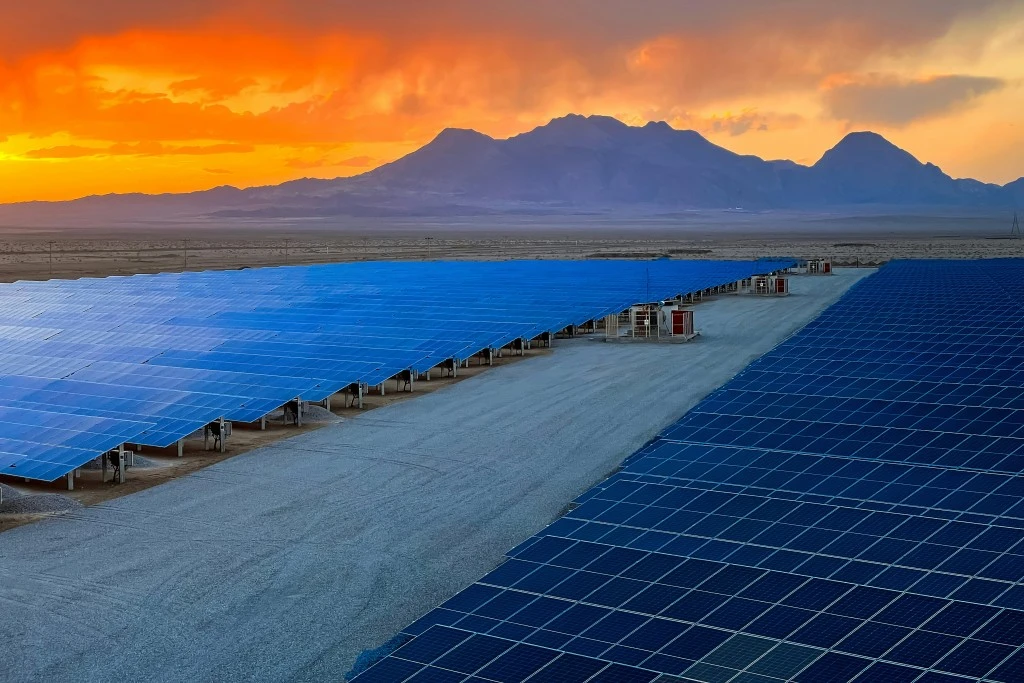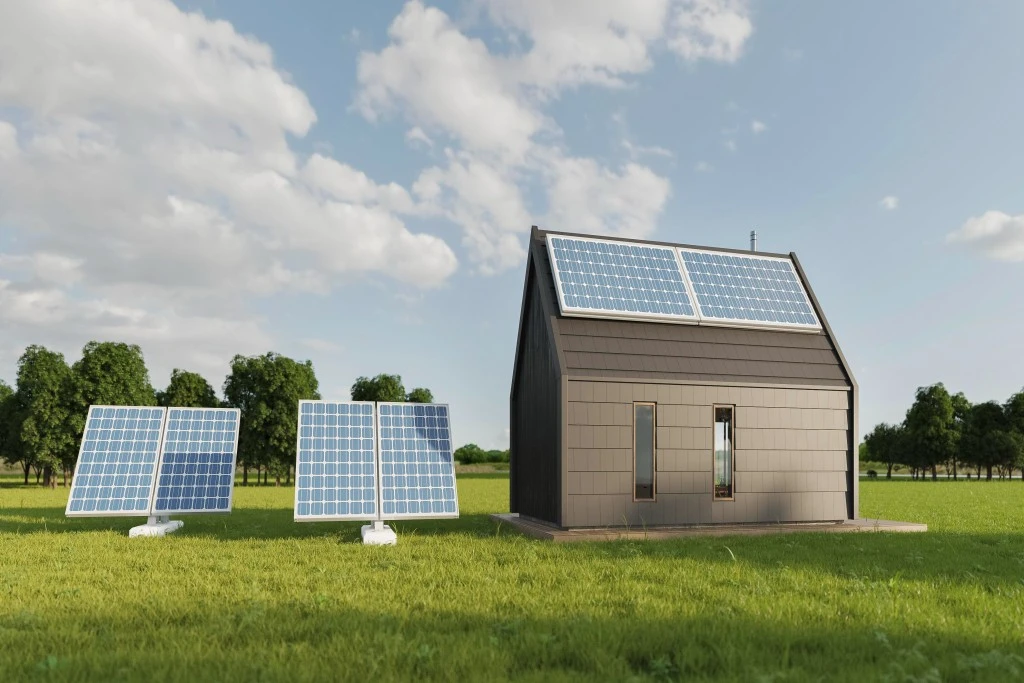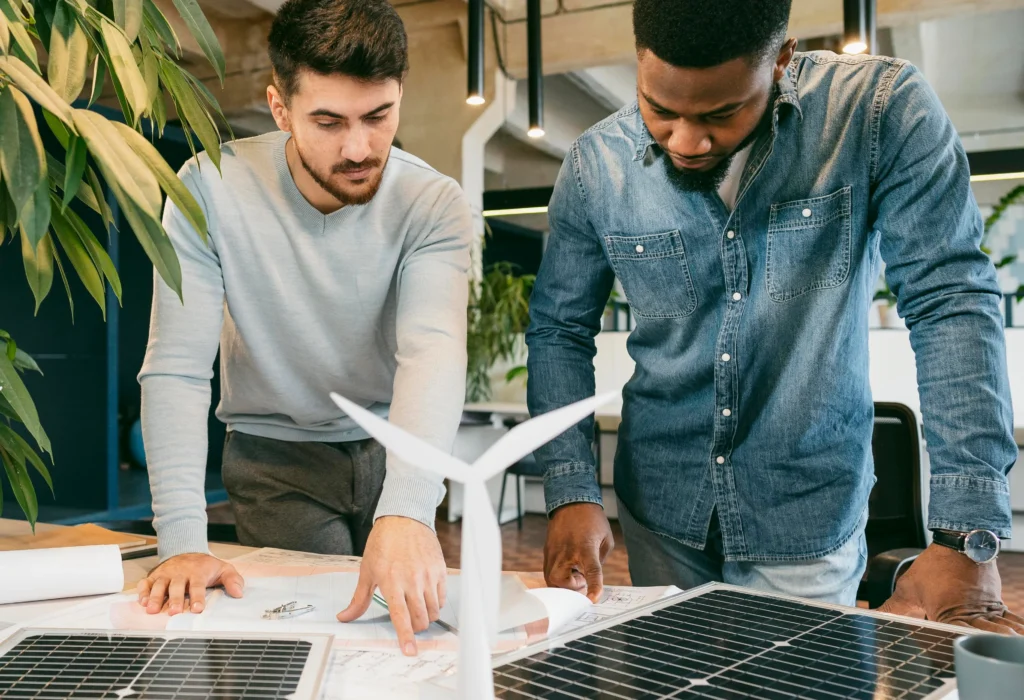
One of the first questions that people ask themselves when thinking of renewable energy to power their home or business is how does solar energy works. As the cost of electricity increases and sustainability is becoming a concern, solar power is a long term solution that makes sense. The following guide by Solar Dream will explain how solar energy works, what it entails and how it can enable you to save money and at the same time contribute to a cleaner future.
Table of Contents
- What Is Solar Energy?
- How Does Solar Energy Work?
- Basic Elements of a Solar Energy System.
- The benefits of Solar energy in residential and commercial use.
- Should Solar Energy be considered a Good Investment?
- Conclusion
What Is Solar Energy?
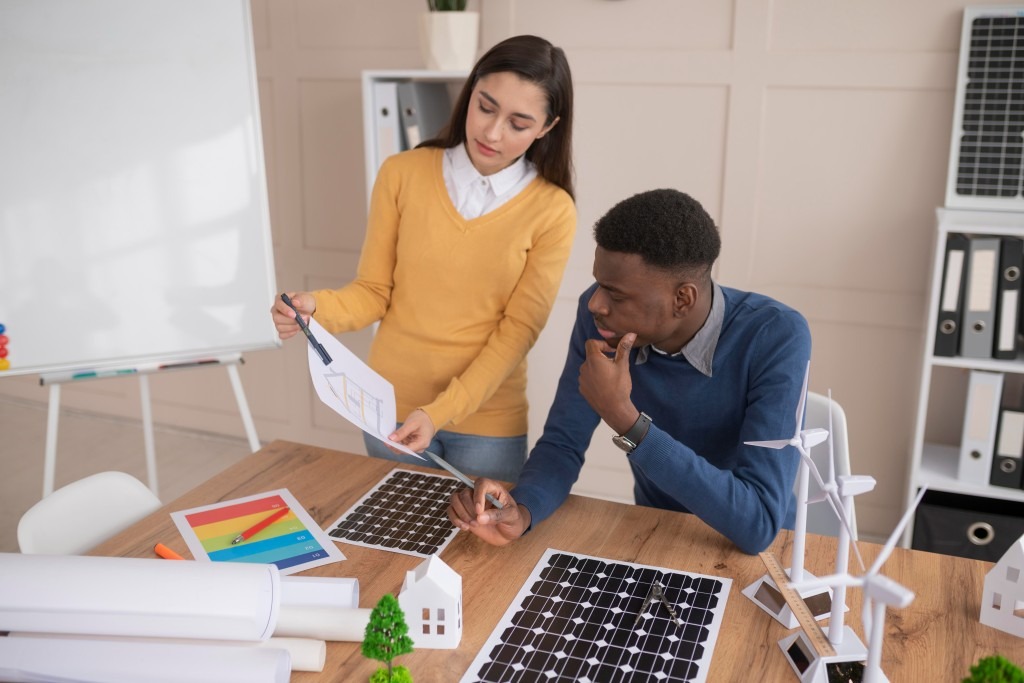
Solar energy is defined as electricity or heat that is generated by use of sun and conversion to useful energy. It is said to be one of the surest and dependable sources of renewable energy because the sun provides an immense amount of power every day consistently.
Solar energy, unlike fossil fuels, does not cause carbon emissions during its operation thus the solar energy can be classified as an environmentally responsible source of powering homes, offices, and industrial facilities. The fast developments in the solar technology have seen the systems become more efficient, inexpensive and easily available both in the residential and business markets.
Fundamentally, solar energy enables individuals to produce their energy, eliminating the use of conventional power supply systems and the unpredictability of energy prices. Under the professional advice and well-thought-out installations of Solar Dream, the residential owners will be able to switch to more environmentally-friendly energy options.
How Does Solar Energy Work?
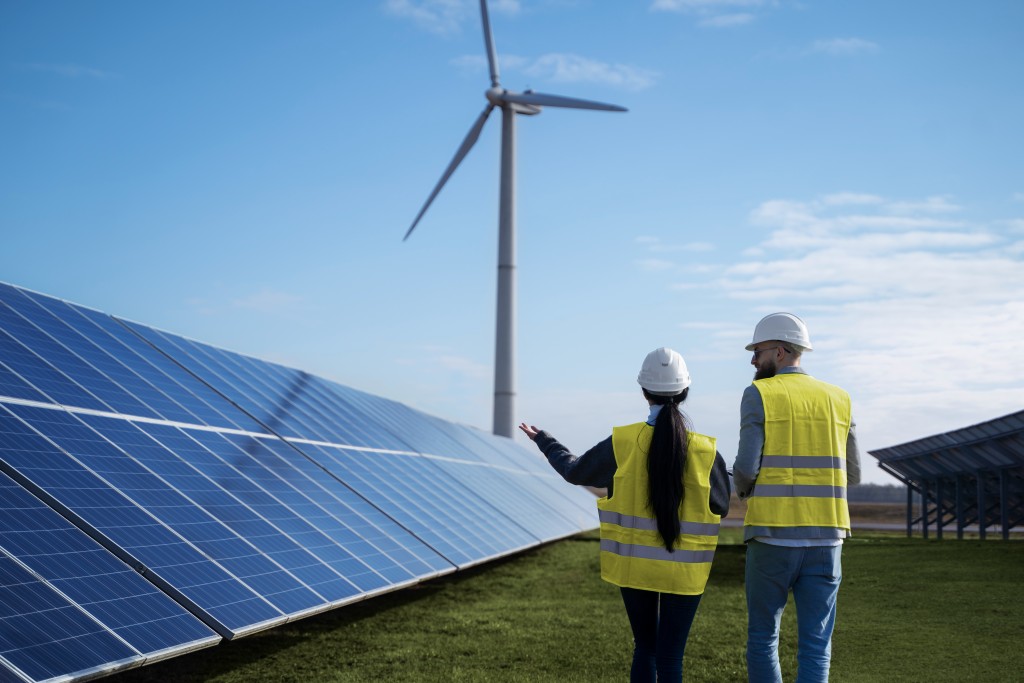
To know how does solar energy works, it is better to make the work divided in easy steps. Solar power systems make use of photovoltaic (PV) technology that uses sunlight to convert it into electricity.
The way the process follows is as follows:
- Solar panels are exposed to sunlight, and they are typically placed on roofs or unoccupied land.
- The photovoltaic cells are embedded in the panels, and usually silicon is used.
- When the sunlight is exposed to these cells, it heats up the electrons thereby producing an electric current.
- This power is produced in direct current (DC).
- The DC electric current is connected to an inverter.
- The inverter transforms DC electric current into alternating current (AC) that is consumed by the standard appliances.
- Your business or home is run on the electricity and you can store the surplus energy on batteries or send it to the grid.
- All this working takes place automatically, noiselessly and effectively during the day, thus solar energy is a low-maintenance energy source.
Basic Elements of a Solar Energy System.
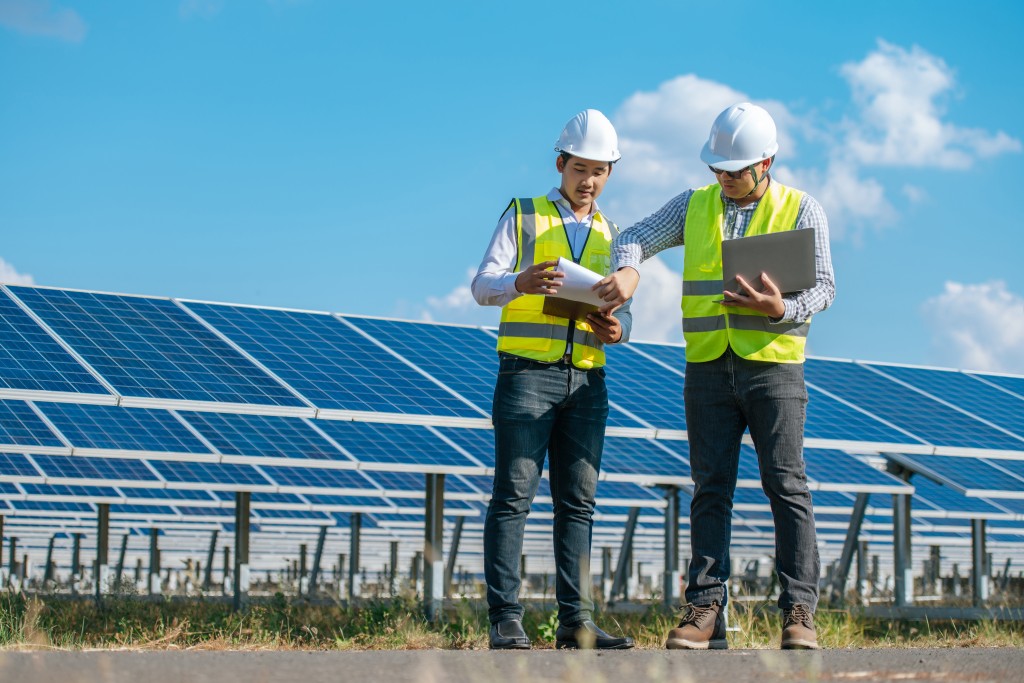
Solar Panels
The solar panels absorb the sunlight and transform it into electricity. The modern panels are constructed in a way that they work effectively even in indirect or diffused sunlight.
Inverter
The inverter is an important component as it converts the DC power into AC power which can be used. In its absence, the solar panel generated electricity would not meet the most electrical systems.
Mounting and Racking System
The purpose of this structure is to hold the panels in place and to achieve the optimum angle to maximize the amount of sunlight that falls on the panels.
Battery Storage (Optional)
The unused electricity that is produced in the daytime is stored in solar batteries. This energy can be stored to be utilized during the night or at times of power outage hence more reliability.
Monitoring System
Monitoring systems enable the users to monitor the energy production and consumption and system performance in real time.
The benefits of Solar energy in residential and commercial use.

The solar energy has a broad spectrum of economic and environmental advantages.
Key advantages include:
- Saving of electricity bills in the long run.
- Safety against the increase in energy prices.
- Lower carbon emissions
- Derisory continuous maintenance.
- Increased property value
- Solar systems have a long life (25-30 years).
In the case of businesses, solar energy also helps them towards improving the brand reputation by showing that they are focused on sustainability. To the homeowners, it is a long term saving and energy self-sufficiency.
Should Solar Energy be considered a Good Investment?

Solar energy is a powerful long term investment on most of the properties. Although the initial cost may be reflected in the initial installation, in many cases, the costs are would be settled by electricity bill savings in the long run.
The aspects that affect the solar performance can be roof orientation, access to sunlight, local laws, and energy consumption trends. Proper system design would enable a high number of users to satisfy a good percentage of their power requirements with the help of solar power, or even all of them.
At Solar Dream, each project is evaluated by professional people so as to optimize the system in terms of efficiency and the return of investment.
Conclusion
One can find it simple to know how does solar energy work and why is it becoming one of the most important sources of energy in the world. Solar energy will aid in lowering the energy bills, enhance self-reliance, and long-term environmental sustainability by transforming sunlight into reliable and clean energy.
Solar energy has the potential to come up as a strong long-term solution with the right guidance, quality components and professional installation. Solar Dream is determined to guide residents and commercial property owners to a place where they are confident in converting to clean, safe and smart energy consumption.