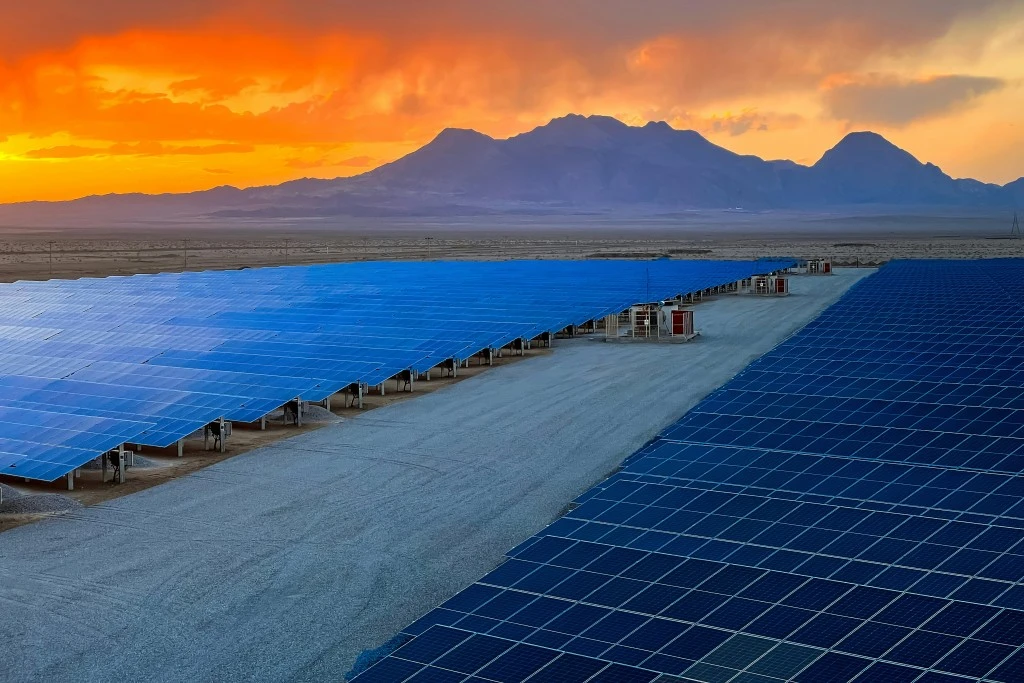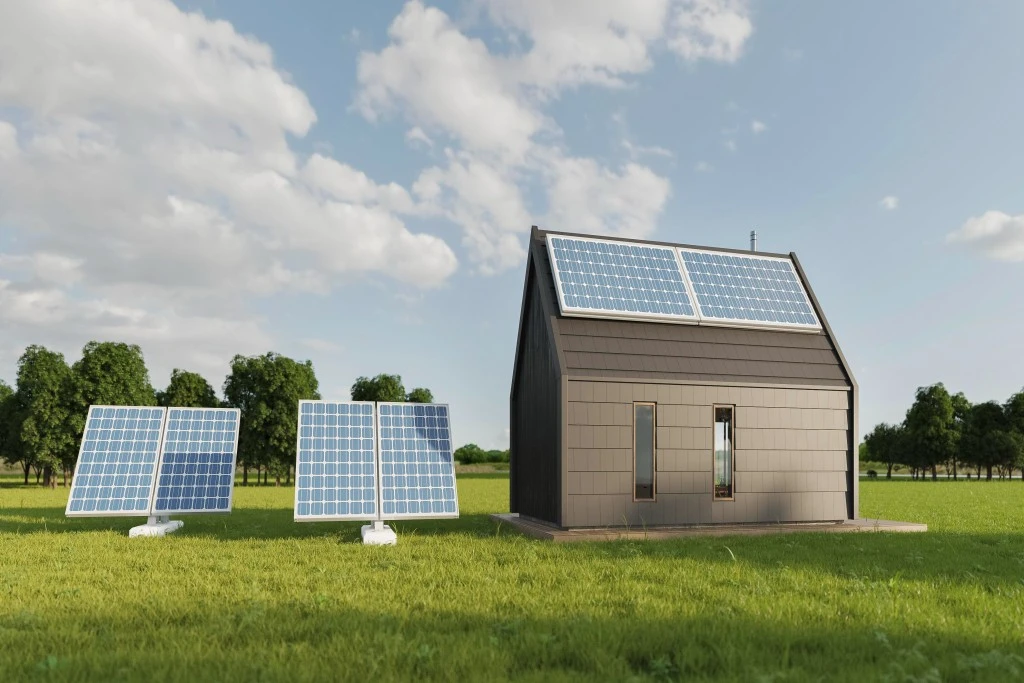
Interested in understanding how do solar panels work on your house? Solar panels are no longer a futuristic dream, but a viable and affordable option for clean electricity production, saving on energy costs, and reducing your carbon footprint. At Solar Dream, we believe these panels transform solar energy into usable electricity for daily household needs by following the solar panel working principle.
The current development of solar power has provided homeowners with the opportunity to maximize solar energy and reduce reliance on traditional electricity sources. By understanding how solar panels generate electricity and how solar inverters work to convert that energy for household use, homeowners can confidently choose between grid-connected or off-grid solar systems and even sell surplus power back to the grid.
What Are Solar Panels?
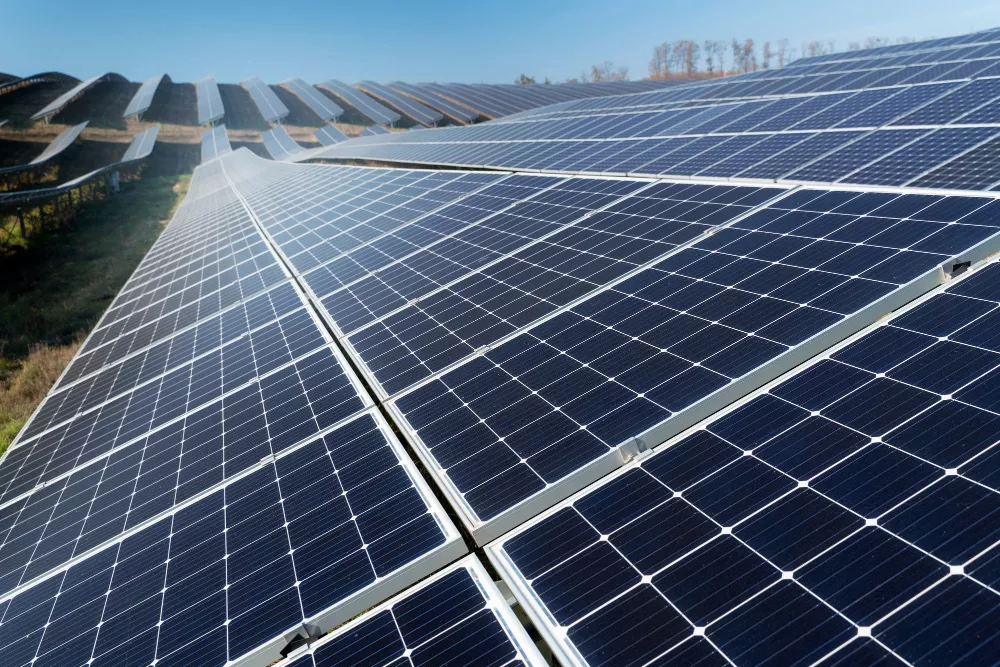
Photovoltaic (PV) panels, also known as solar panels, are gadgets that utilize sunlight to generate useful electricity. To understand how do solar panels work, it is important to know that a panel consists of a series of solar cells made from semiconductor material, usually silicon. When photons from sunlight strike these cells, electrons become excited, and as a result, an electric current is produced, which explains the basic solar panel working principle.
Solar panels are normally placed on rooftops or open spaces where they can receive maximum sunlight during the day. They are mainly designed to provide renewable energy to homes, reducing dependence on fossil fuels while helping homeowners save on electricity bills.
Beyond cost savings, solar panel installation is environmentally friendly. Using sunlight to generate electricity reduces greenhouse gas emissions from homes, contributing to global sustainability. Modern solar panels typically have a long lifespan of 25–30 years and require minimal maintenance, making them a reliable long-term investment for homeowners.
The Process of Solar Panels Making Electricity (Stepwise).
The way that solar panels can work to produce electricity is best understood by breaking the process down into a series of steps:
- Sunlight Absorption: Photovoltaic cells in the panels absorb the sunlight. The electrons contained in the semiconductor material are excited by photons in the sunlight and are made free to produce an electric current.
- Direct Current (DC) Formation: The excited electrons pass on through the solar cell producing DC electricity.
- To Alternating Current (AC): The majority of household gadgets use the AC power. It is here that solar inverters would be useful; these will change the DC electricity generated by the panels into AC electricity that can be used at home.
- Distribution in the Home: The AC electricity describes the electrical system in your home which supplies the appliances, lights and electronics in your home.
- Storing or Exporting Extra Energy: You can put in any extra electricity you have into solar batteries to store it and use it later or you can export it to the grid in case you have a grid-connected system.
The system will see homeowners harness solar energy in order to be reliable and sustainable.
What goes on Cloudy Days and in Winter?
There is a common question people ask: do solar panels work without sunlight? The answer is yes, although at a lower efficiency. Solar panels are still able to produce electricity on cloudy or overcast days because they can capture diffused sunlight present in the atmosphere.
For homeowners in the UK, another popular concern is how solar panels work in winter UK conditions. Winter brings shorter daylight hours, lower sun angles, and sometimes snow, all of which can reduce energy production. However, modern solar panels are highly efficient and can still generate enough electricity for household use during low-light periods. Regular maintenance, such as clearing snow or dirt from the panels, helps ensure consistent performance throughout the year.
Moreover, solar panels can perform well in low temperatures. In fact, excessive heat can slightly reduce efficiency, while cool but sunny days may improve performance. This makes solar energy a reliable and adaptable solution for a wide range of climates.
Explaining the role of Solar Inverters.
The mechanism of solar inverters is a very important component of a solar system. The gadgets transform the DC power produced by solar panels into AC power that can be used by the homes. The electric power of solar panels would not match the appliances without the inverters.
The inverters are of several types:
- String Inverters: This is the most popular type of inverters that are used in residential systems; several panels are interconnected in a series to one inverter.
- Microinverters: This device is mounted on each panel and is suited in that case there is shading or a variation in the light distribution.
- Hybrid Inverters: These handle both the connection to the grid, and storage of solar batteries to optimize energy consumption and also makes sure that maximum efficiency is achieved.
The selection of an inverter will be based on system size, roof design and power requirements.
The Process of Solar Battery Energy storage.
One of the most important elements of solar energy systems is understanding how solar batteries work. Solar batteries store surplus electricity produced when the sun is shining, allowing homeowners to use solar energy even when sunlight is not available.
Most modern solar batteries use lithium-ion technology, which offers fast charging, high efficiency, and a long life cycle. These batteries play a critical role in off-grid systems, where stored energy often becomes the primary or only source of electricity for the home.
With a solar battery a homeowner will be able to:
- Reduce reliance on the grid
- Conserve funds on electricity payments.
- Have some power in times of outages.
- Make maximum use of renewable energy.
Home pairing of solar panels with batteries can make the homes energy independent and more efficient.
Grid Connected and off grid.
There are two major types of solar energy systems:
- Grid-Connected Systems: It is a system that is still connected to the mains electricity. In excess of it, it can be sold in the grid which may offer some money incentives in the form of net metering or feed-in tariffs. Homeowners who want to save on bills but do not want to lose a source of electricity will find grid-connected systems very suitable.
- Off-Grid Systems: These do not depend on the grid at all as they are completely dependent on the solar batteries to store the energy. Off-grid systems are ideal in remote or regions that have unstable electricity supply giving full autonomy in terms of energy.
The decision to use grid connected and off grid systems will be determined by your location, energy consumption and budget.
Popular Dynamics of Solar Panels.
There are a great number of myths about solar energy:
- Myth 1: Solar panels operate during sunny days only Facts: They generate energy even during the cloudy or rainy days.
- Myth 2: Solar panels do not work during winter. Reality: Although there may be a drop in output, the modern panels are functional throughout the year even in the UK.
- Myth 3: Solar panels need regular maintenance Fact: In the current panels, there is durability which requires cleaning and checks once in a while.
- Myth 4:Solar energy is too costly Fact: The cost of solar systems has been reduced drastically, and it is affordable because of government incentives.
- Myth 5: Solar batteries are not necessary Reality: Batteries maximize the energy utilization, minimize dependency on the grid and back-up power.
Busting these myths would enable the homeowners to make wise choices about utilization of solar energy.
A conversion to solar energy is a viable and environmentally friendly choice for homeowners. At Solar Dream, we encourage people to understand the working principle of solar panels, along with the performance of solar inverters and solar batteries, so they can use renewable energy more effectively. This knowledge helps minimize energy expenses and allows homeowners to enjoy the long-term benefits of clean energy. With today’s technological advancements, there has never been a better time to adopt solar energy, making it an ideal solution for modern homes.
FaQs
Not, solar panels need sunlight, but one can use the electricity stored in solar batteries during the night.
Panels with a lifespan of 25-30 years have a slow loss of efficiency.
Yes inverters are necessary because to use the electricity DC in the form of AC at your home.
It is different according to the size of the panel used, efficiency and location. A correctly sized system can greatly save the electricity bills.
Absolutely. In solar panels, renewable energy is generated without any emission of greenhouse gases which reduces the use of fossil power.
Yes, particularly where microinverters are used, which is able to maximize output of each panel independently, even when some of the panels are in the shade.