
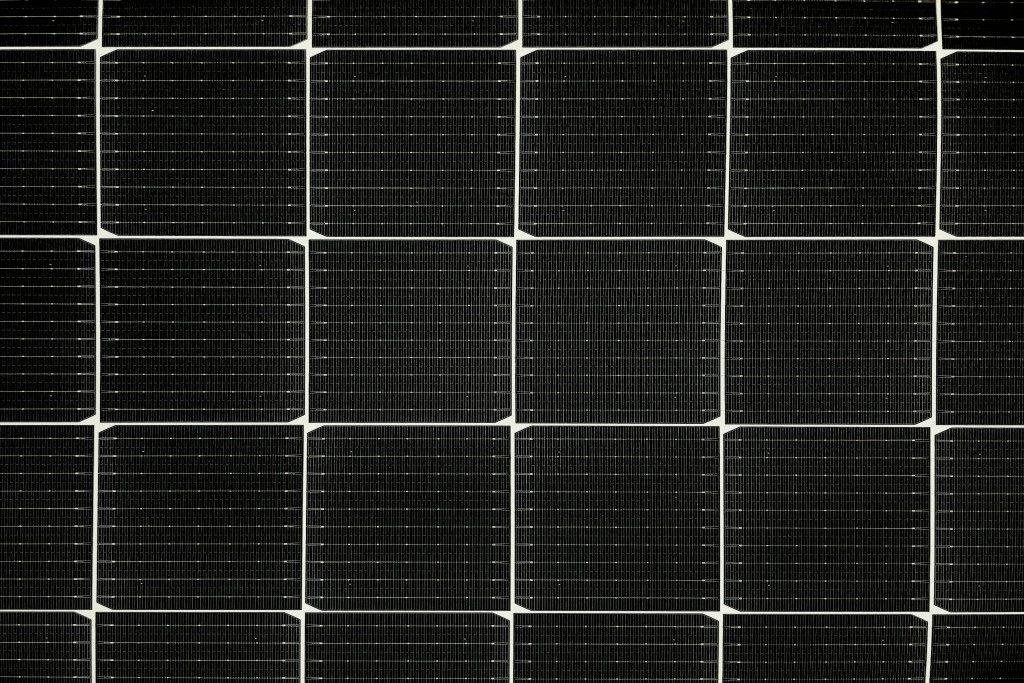
Are Solar panels to be maintained?
Solar panels are constructed in such a way that they are efficient and tough in the sense that they have no moving parts and their lives are long. Nevertheless, they are not completely maintenance free. With time, dirt, debris and wear may have an impact on performance, and an inverter or battery could degrade. Frequent checkups and maintenance by professionals are some of the ways to maintain efficiency and productivity and to guarantee that your solar panel system will be producing clean, reliable energy.
What Could go wrong with Solar Panels?
Although solar panels are durable, a number of problems can minimize efficiency unless they are handled by conducting regular maintenance.
Inverters
Direct current (DC) that is generated by solar panels is converted into alternating current (AC) by inverters and used. They operate all the time, thereby making faults common like overheating, software failures, or wear. Frequent maintenance helps in the monitoring and repair of inverters when required so that your solar power to sheds or commercial systems works efficiently.
Electrical Issues
Connections and wiring may wear out. Interruptions or safety concerns may be a result of loose connections, corrosion or water intrusion. The problem can be detected in time and avoid expensive breakdowns through regular inspections by a professional.
Battery Failure
In battery-stored systems, including solar panel and battery kit or solar battery kit systems, the important thing is to maintain the battery on a regular basis. Battery cells wear with time and lower the storage capacity. Regular services increase the battery life and the excess energy obtained out of the solar panels to power sheds or business buildings is saved in an effective manner.
Panel Damage
Cracks or surface damage can be brought about by extreme weather, falling branches or accidental impact. Minor flaws are enough to lower productivity or lead to an electrical fault. Professional inspections identify the damages at an early phase, thereby avoiding any small problems being turned into big problems.
Dirty Panels
Sunlight may be obstructed because of dust, pollution, feces of the birds, and rubbish, thus decreasing the production. Washing using special equipment and not pressure washers ensure that such panels as solar panels on flat roofs, solar panels in sheds of gardens or solar panels in conservation areas continue to work at the best.
Hot Spots
Shading/ debris may produce hot spots to harm cells. This is avoided by regular cleaning and inspection which ensures peak system efficiency.
Poor Installation
Wiring, mounting or orientation of panel can be wrong which can lead to continuing problems. The selection of professional installer will see that systems such as solar panels on the roof of the garage or solar panels on slate roof is properly installed and therefore the maintenance requirements are less.
What does the Solar panel maintenance entail?
Maintenance is not only cleaning but also monitoring, checking and servicing the entire system to make sure that the entire system is efficient.
Performance Monitoring
Contemporary solar panel systems have monitoring systems that notify you that there is a decrease in performance, which is usually an indicator of a fault. Monitoring will ensure that you determine inefficiencies at an early stage to ensure that your system is operating efficiently throughout the year.
Cleaning
Output loss is avoided through regular cleaning. Professional cleaning could be required in businesses that have dusty or foliage panels or those located on fences with solar panels or wooden sheds with solar panels. Scheduled cleaning means consistency of performance in giant installations.
Inspections
To determine the damage at an early stage, engineers test inverters, wiring, mounting system, and batteries. In the case of commercial systems, an annual check-up is the norm, but larger installations or locations with high output can use 2 checks per year.
What is the frequency of the Maintenance?
Professional servicing is an advantage to most commercial systems at least once per year. Battery-stored systems or systems that require a lot of energy might require an inspection more regularly to guarantee further operation and durability.
Should Solar Panels be Replaced?
The lifespan of solar panels is 25-30 years. They are only required to be replaced in case of damage, or in the event that they have been found to be very inefficient. Regular maintenance measures performance enabling the businesses to plan and budget on replacement instead of experiencing unexpected declines in output.
Maintenance: How Much Does That Cost?
The prices differ with the size of systems, location, and the nature of the service. Cleaning and inspections will normally be a few hundred pounds every visit when the size of the commercial system is smaller and more when it is large. Maintenance packages will help to divert the expenses and guarantee frequent maintenance, which is usually cost-effective in the long-term by avoiding costly failures.
Maintenance Packages
At Solar Dreams, the maintenance packages may include, performance monitoring, cleaning by professionals and system check-ups. Because the solar panels to cars, solar panels to shed power, solar powered house number signage and solar powered sheds are long run services, then services make these work well.
Conclusion
Although solar panels are sturdy, the efficiency and safety of the panels can be maintained over time with appropriate maintenance. Frequent cleaning, maintenance and checking of systems of the solar panel kit with batteries and inverters in the UK to the solar panels on flat roofs are cleaned regularly, and checked and monitored to ensure they give standard output and as much ROI as possible.
Proactive maintenance is also a means of protecting such components as inverters, batteries, and wiring, prolonging the life of the system, and mitigating against environmental influences or bad installation. The appropriate service plan will allowvere business to have ready access to solar electricity to power sheds, the outbuilding and also to charge needs and yet maintain operational costs within control.


