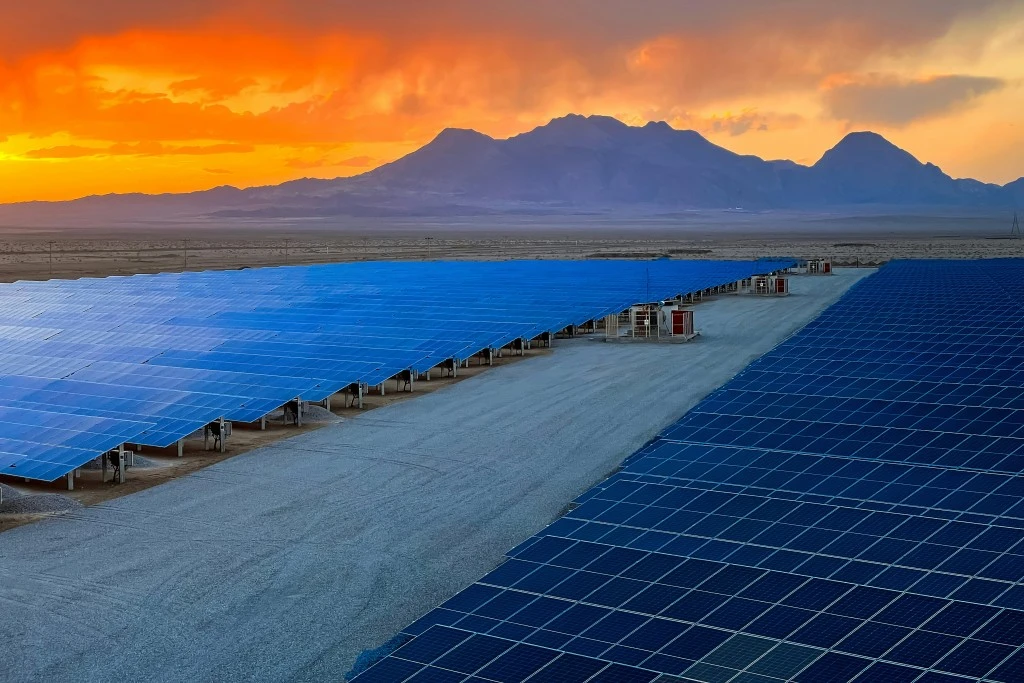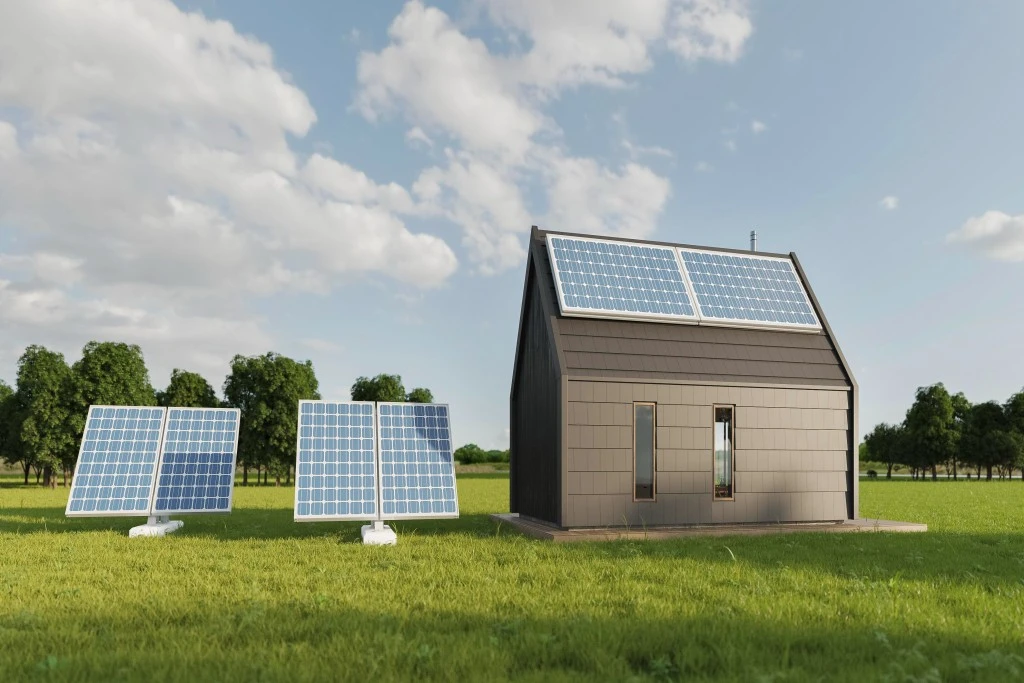
Many UK homeowners still believe solar panels are ineffective in cloudy or rainy weather. In reality, modern systems generate reliable power year-round—even in the UK climate. Solar Dream’s professional PV installation services are designed to maximise output in low-light conditions, helping households cut energy bills and gain independence from rising electricity costs. In this guide, you’ll learn how solar panels work in UK weather, why adoption is growing, and how to choose the right installer.
Table of Contents
- What Are Solar Panels and How Do They Work in the UK?
- Do Solar Panels Work on Cloudy and Rainy Days?
- Why UK Homeowners Are Choosing Solar Energy in 2025
- Benefits of Professional PV Installation Services
- How to Choose the Right Solar Installer in the UK
- FAQs About Solar Panels in the UK
What Are Solar Panels and How Do They Work in the UK?
Solar panels generate electricity using photovoltaic (PV) cells, typically made from silicon-based semiconductors. When sunlight hits these cells, it creates an electric field that produces usable power for your home.
Unlike older systems, modern PV panels are designed to capture diffused sunlight, which means they continue working efficiently even when direct sunlight is limited. This makes them particularly suitable for the UK, where overcast skies are common.
With advancements in inverter technology and battery storage, solar energy can now power lighting, heating systems, appliances, and even electric vehicles—making it a practical solution for UK households year-round.
Do Solar Panels Work on Cloudy and Rainy Days?
Yes—solar panels work efficiently in cloudy and rainy weather.
Why solar panels still perform well:
- Diffused light penetration through clouds
- Cooler temperatures improve panel efficiency
- Rain naturally cleans panels, improving output
- Advanced PV cell sensitivity captures low-light energy
- Optimised system design maximises daily yield
Even during autumn and winter, well-installed systems can generate a consistent supply of electricity. This reliability is why solar energy continues to expand across the UK despite its unpredictable climate.
Why UK Homeowners Are Choosing Solar Energy in 2025
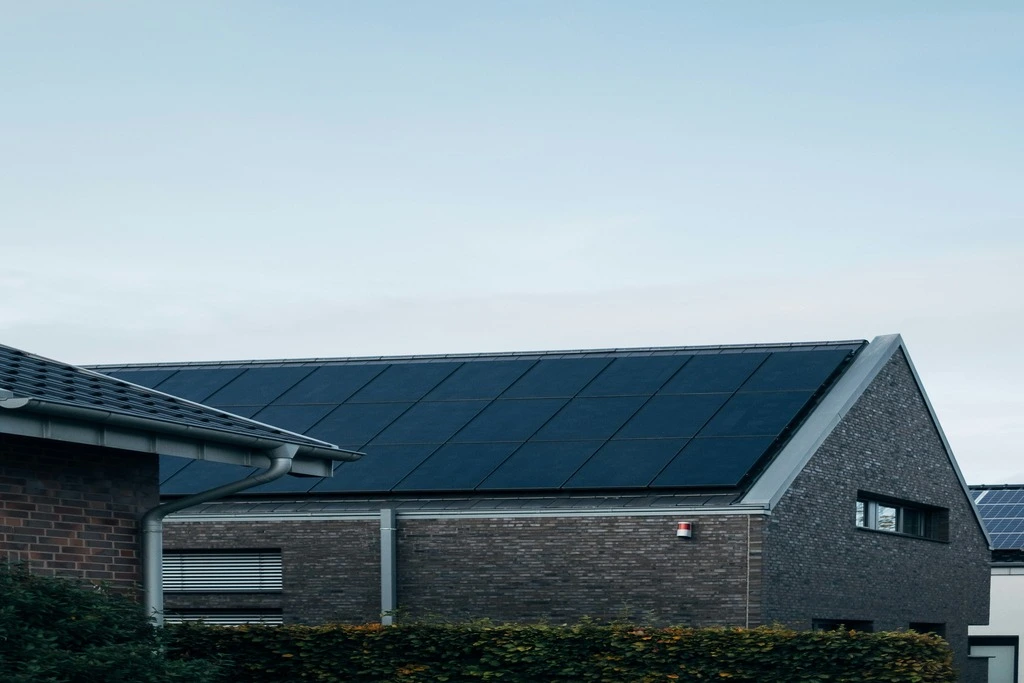
The UK’s renewable energy sector continues to grow rapidly, with solar power playing a key role in reducing carbon emissions and energy dependency.
Key drivers behind rising solar adoption include:
- Increasing electricity prices
- Desire for energy independence
- Improved government incentives
- Advances in solar panel efficiency
- Greater awareness of climate impact
Many homeowners are now installing solar panels not just to export excess energy, but to power their entire household—especially when paired with battery storage solutions.
Benefits of Professional PV Installation Services
Choosing expert PV installation services ensures your solar system performs optimally from day one.
Key benefits include:
- Accurate roof and shading assessments
- Correct panel positioning for UK sunlight patterns
- Compliance with UK safety and MCS standards
- Long-term performance optimisation
- Access to warranties and aftercare support
At Solar Dream, installations are tailored to each property, ensuring maximum efficiency regardless of weather conditions.
How to Choose the Right Solar Installer in the UK
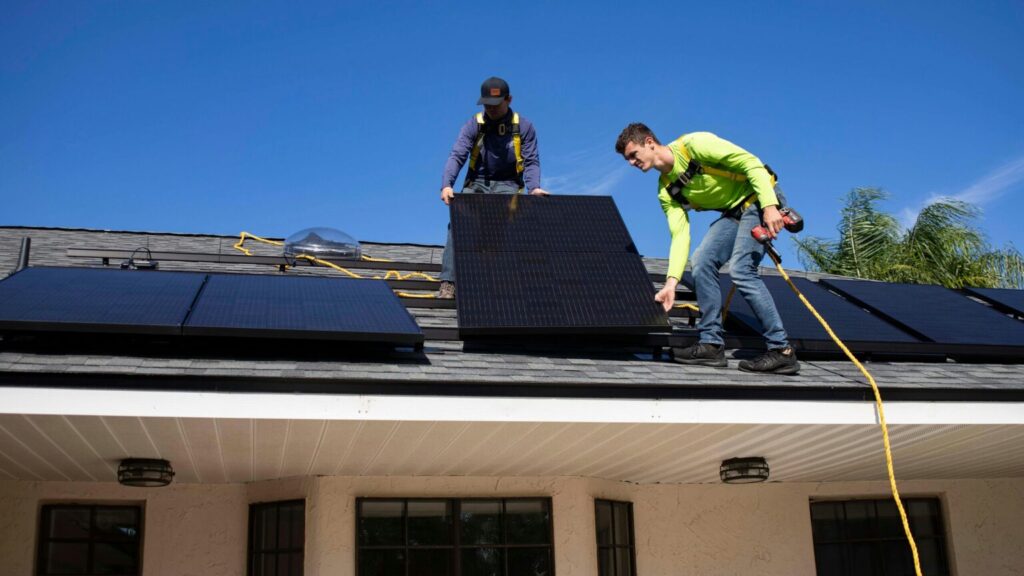
Selecting the right installer is just as important as choosing the panels themselves.
Look for:
- MCS-certified installers
- Proven UK installation experience
- Transparent pricing with no hidden costs
- Strong customer reviews
- Ongoing maintenance and support
A reputable installer will assess your energy needs, explain realistic savings, and design a system that works efficiently throughout the year.
Conclusion
Solar panels are no longer a fair-weather solution—they are a reliable, cost-effective energy source for UK homes. Thanks to advances in technology and expert PV installation services from Solar Dream, homeowners can generate clean electricity even on cloudy and rainy days. With rising energy costs and a growing push toward sustainability, solar power offers long-term savings, energy independence, and environmental benefits. Now is the ideal time to invest in a system designed for the UK climate.