As one of the UK’s trusted solar energy providers, SolarDreams aims to help homes and businesses adopt renewable power through professional solar panel installation and dependable energy solutions.
We are committed to raising awareness about the future of energy. How do renewable energy sources compare to fossil fuels? What are the costs, environmental impacts, and long-term benefits? Can solar panels truly pave the way to a cleaner, more sustainable world? Let’s explore.
What’s the Difference Between Renewable Energy and Fossil Fuels?
The main difference is in their availability and environmental effects.
Fossil Fuels
Fossil fuels, including coal, oil, and natural gas, come from ancient organic matter that has been subjected to heat and pressure for millions of years. These energy sources are limited. Once they are used up, they cannot be replaced within a human lifetime.
Burning fossil fuels releases carbon dioxide (CO₂), nitrogen oxides, and other pollutants, which contribute to global warming and declining air quality. The extraction and processing of these fuels also disrupt ecosystems and involve significant environmental costs.
Renewable Energy
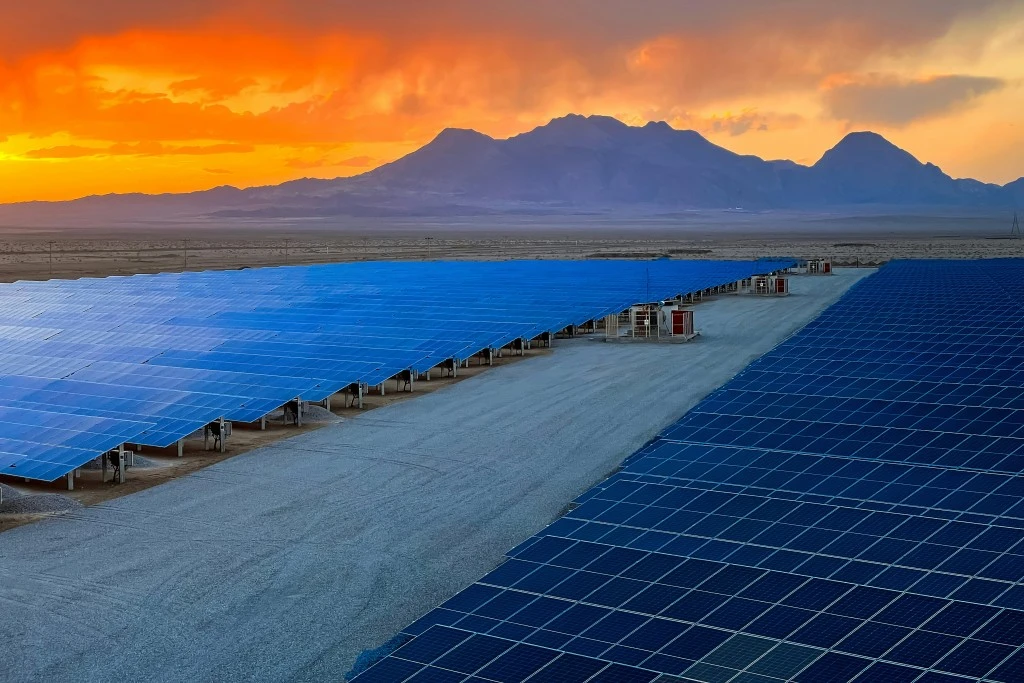
Renewable energy, however, comes from sources that naturally replenish—such as the sun, wind, and water. These resources are almost limitless and produce little to no greenhouse gas emissions.
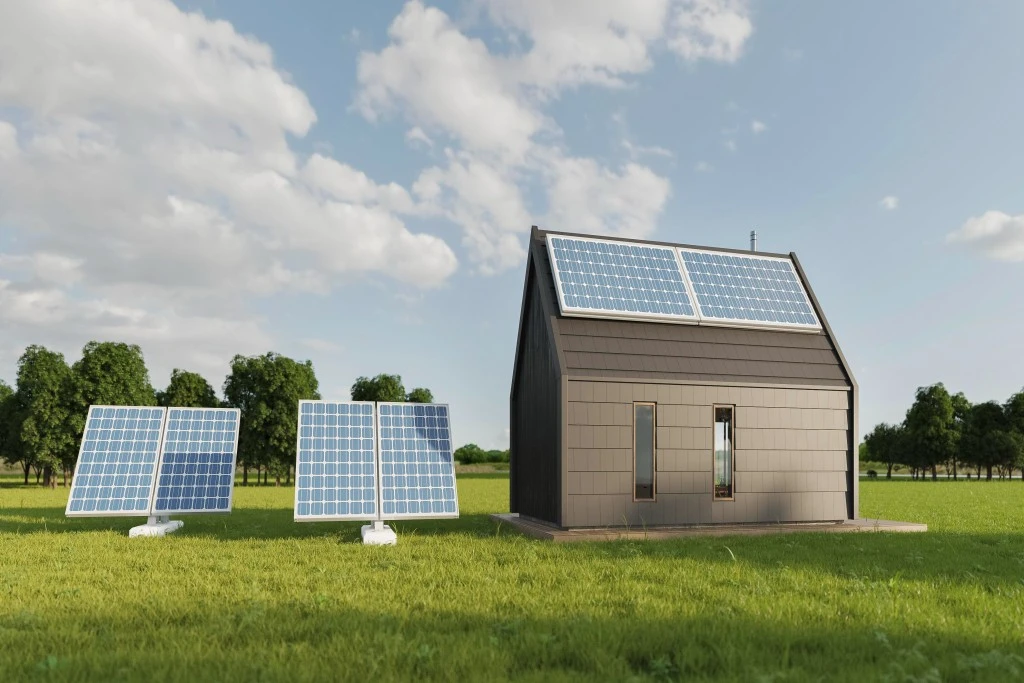
Technologies like solar panels, wind turbines, and hydropower systems harness these resources to generate electricity in a sustainable way. With more people adopting solar panel kits with battery and inverter systems, homes in conservation areas or those with flat roofs can now generate and store their own electricity efficiently.
According to the UK government, renewables made up nearly 45% of all electricity generation by the end of 2024, marking a significant achievement in the country’s shift to clean energy.
The Cost: Renewables vs Fossil Fuels
A common belief about renewables is that they are costly. In fact, the Levelised Cost of Electricity (LCOE)—which measures the cost to produce electricity over a system’s lifetime—has dropped significantly for solar energy.
Modern solar installation kits and panels are now some of the most cost-effective methods of generating power in the UK. Thanks to advancements in solar cell technology, solar panel prices have decreased while their efficiency and durability have increased.
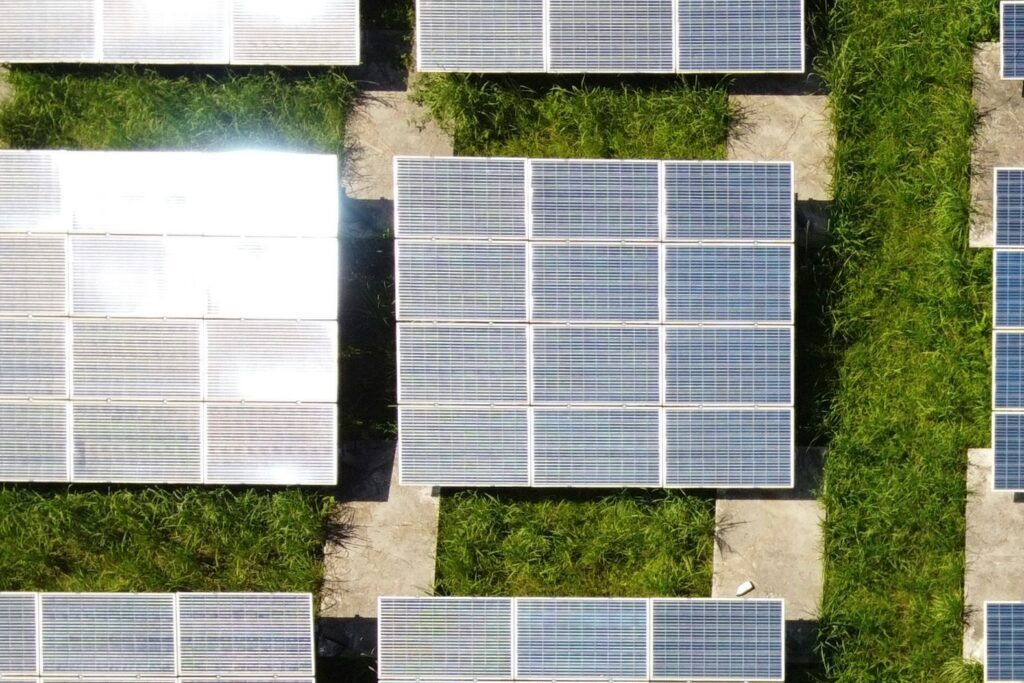
Manufacturers can now create solar panels in various sizes across the UK while using fewer materials and more efficient mounting systems, lowering both production and installation costs.
In contrast, natural gas-fired power plants and other fossil fuel generators face rising operational costs. These plants often set the market rate for electricity, which can lead to higher national energy prices, especially when fuel prices fluctuate due to supply chain problems or severe weather.
Renewable energy systems, particularly those that include solar batteries or solar panel and battery kits, provide more stable pricing and long-term savings. Homeowners can also apply for solar panel grants in the UK to offset their initial costs and speed up their return on investment.
How Much Energy Comes from Each Source?
Traditionally, fossil fuels have been the main source of energy in the UK. In the 1970s, over 90% of our energy came from oil and coal.
By 2022, fossil fuels still made up 81% of total energy consumption, but renewable energy had grown to nearly 14%, a significant increase from just 0.7% in 1990.
The shift in electricity generation shows an even more remarkable change. As of 2024, renewables—including wind, solar, hydro, and biomass—provided 45% of the UK’s electricity, while fossil fuels dropped to 29%, the lowest share since the 1950s.
It’s not just large-scale farms that are making a difference. Homeowners increasingly install solar panels for sheds, solar power for outbuildings, and even solar panels for vehicles to charge EVs. Compact setups like solar panels for shed power or solar kits with solar inverters are perfect for smaller energy needs.
From solar-powered shed lighting to solar electricity for tools, clean energy is now accessible to many.
The Environmental and Lifestyle Benefits
Switching to renewables cuts down pollution, conserves natural resources, and helps address climate change. Solar panels are lightweight, suitable for flat or slate roofs, and can be used with mounts that prevent damage.
To help extend their lifespan, many homeowners implement maintenance practices such as using solar panel cleaners, bird guards, or other protective measures—these keep panels running efficiently.
While there are some downsides to solar panels, like inconsistent energy production and initial costs, the long-term benefits are clear: lower bills, greater energy independence, and a reduced carbon footprint.
Will You Join the Solar Revolution?
In 2024, renewable energy surpassed fossil fuels as the UK’s primary electricity source. With the government aiming for nearly 100% clean power by 2030, the trend is clear.
By investing in a solar panel and battery charger or a solar panel kit with battery system, you can manage your energy use while supporting a sustainable future. Whether powering your home, garden shed, or garage roof, solar power is the future of affordable green energy.
Join SolarDreams in creating a brighter tomorrow. Together, we can power our world responsibly—one solar panel at a time.