The critical thing to consider when it comes to solar panel sizes and dimensions is that anyone planning a solar PV installation or a residential solar system needs to understand this. Whether as a homeowner or a business, size makes a difference in energy production, roofing, and efficiency.
At Solar Dreams, all installations will be tailored to the needs of your property and energy demand — get your free fixed-price quote here.
Why Solar Panel Sizes Matter
Solar panels will differ in terms of wattage, size, and weight.
Failure to consider these factors might result in:
- Wasting money on an excessively huge system.
- Installing a system that is not large enough to achieve your energy targets.
- Roof fit or weight issues.
The way to achieve this is by ensuring that panels are appropriately sized to maximize your solar electricity output in the UK, and that the installation is safe and efficient.
According to the Energy Saving Trust, correct solar panel sizing and installation are key to maximising energy efficiency and return on investment.
Solar Panel Power Output
The primary indication of energy generation is the panel wattage. The UK residential panels typically provide 250-400 watts of power. Still higher, such as the Jinko Solar Tiger NEO 72HL4 with its 575 watts per panel.
The purchased standard domestic solar system is 3-5 kWp, consisting of 6-12 panels, and is designed to meet the average household’s consumption in the UK, which is approximately 2,900 kWh/year.
Physical Dimensions & Weight
The usual panel sizes used domestically are:
- Length: 1.7 m
- Width: 1 m
- Thickness: 3-5 cm
- Weight: 18-20 kg
The fit of the roof and its load-bearing capacity are essential. In the event of a safe installation, Solar Dreams will always conduct a comprehensive roof survey.
What is the Calculation that you need to work out the number of panels you require?
To compute the size of a solar array you are going to use:
- Calculate the energy consumption: Check the previous year’s electricity bill.
- Mean domestic consumption of the UK: 2900 kWh/annum.
- Calculation of roof space: Assuming the roof in this case is 10 m x 4 m = 40 m², and each panel has an approximate size of 1.7 m², then you can fit approximately 23 panels.
- Array size formula: kWp = Panel output (W) /1000x number of panels.
Example: 10 x 350 W panels = 3.5 kWp system. - Take into account the factors of solar radiation input and shade factor to calculate the hours of sunlight, the roof pitch, and shading to adjust the expected. output
Influencing Factors of the Energy Generation
In addition to size, efficiency is also essential. Silicon-based panels are capable of achieving efficiencies of 15-22 percent, with higher-quality silicon panels reaching 24 percent or above.
Factors include:
- Panel orientation: The roof faces south.
- Local levels of sunshine: e.g., Plymouth receives 1,730 hours per year compared with Glasgow, which receives 1,280 hours per year.
- Type of panel: Monocrystalline panel types are more efficient.
Residential Paneling Distributions
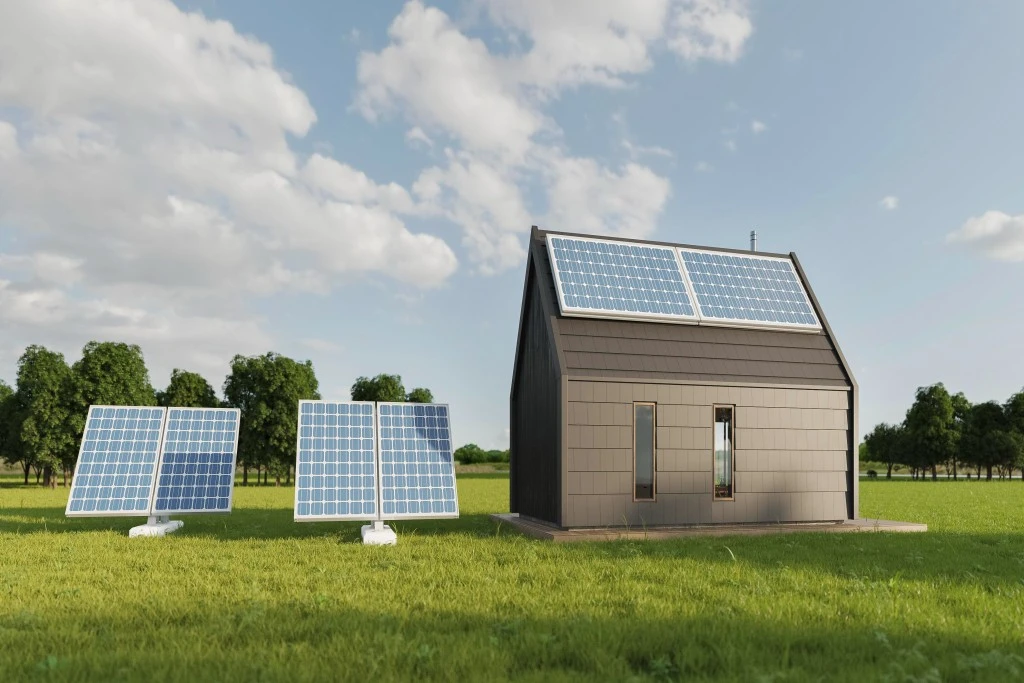
- Sizing your house: When you are planning your house, take into account:
- Space on roofs and facing: Get as much as possible by ensuring the panel fits.
- Energy needs in the house: Would you rather dedicate 30 percent or more of your energy needs to the sun?
- Budget: Panels are PS200- PS400, although cheaper alternatives are available (able to cost as little as PS100/ panel).
Bifacial cells on a high-efficiency panel, such as the REA Power Fusion, produce approximately 18 percent more energy than conventional panels.
Commercial and Utility Scale Solar Panel Size
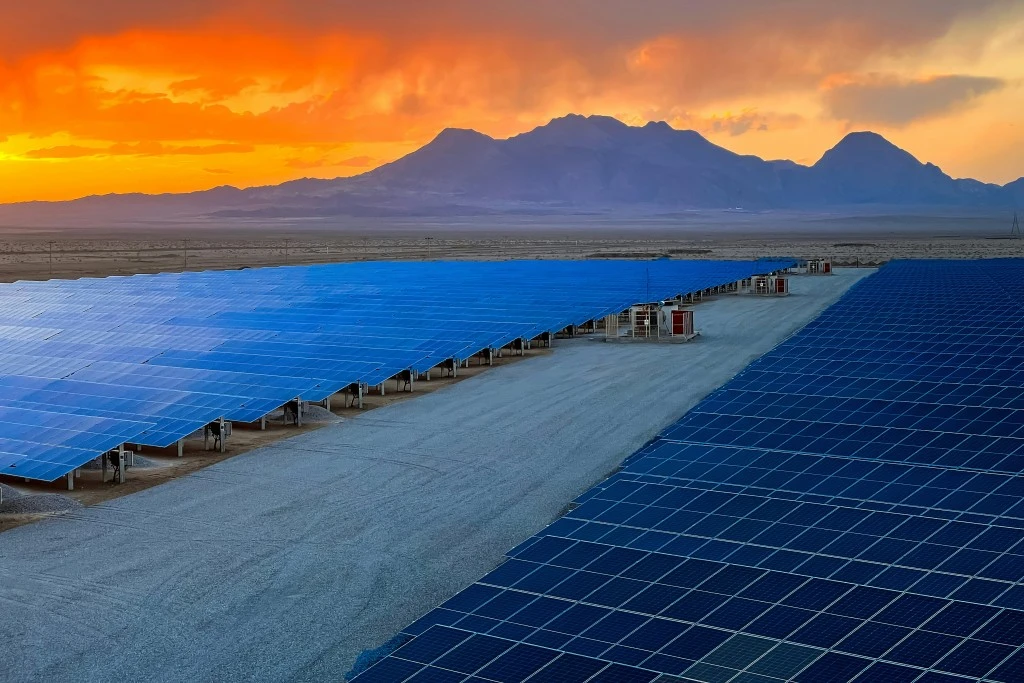
Panels with a wattage of more than 400 W are required in commercial installations to support the significant energy consumption needs.
Benefits include:
- Fewer panels – less complex installation.
- Energy-saving land use – reduced labor and quicker installation.
- Scalability – can be easily expanded to accommodate additional energy.
Key factors:
- Standardised sizes of equal-sized installation.
- MCS certified installers of guaranteed quality.
- Evaluation of roof load or ground load.
Trends in Solar Panel Sizes in the Future.
New technology Future offering slimmer, lighter, and more efficient panels,s which include:
- Hybrid Solar panels – Use materials to minimize energy waste and enhance performance (up to 23%).
- Biohybrid and Concentrated PV Cells – Potential for Extremely High Efficiencies.
- Cadmium Telluride panels – Cadmium Telluride panels are more cost-effective and have a higher output.
These trends suggest that smaller installations will be capable of generating more energy in the Future, which is suitable for UK homes and businesses.
Conclusion
Knowing Solar Panels Sizes, including wattage, size, and weight, is crucial for efficiently generating solar energy in the UK.
Key takeaways:
- Divide the energy requirements by the roof area.
- Consider the efficiency of the panel and its performance.
- Consider the weight capacity of the roof.
- Reliable, high-quality panels should be used.
Next Steps: Find out about FuturFuture
- ar panel cFuture savings
- Roof suitability for solar
- Battery storage benefits
The trip to SolaSolarDreams will begin today with a complimentary quote on solar energy.