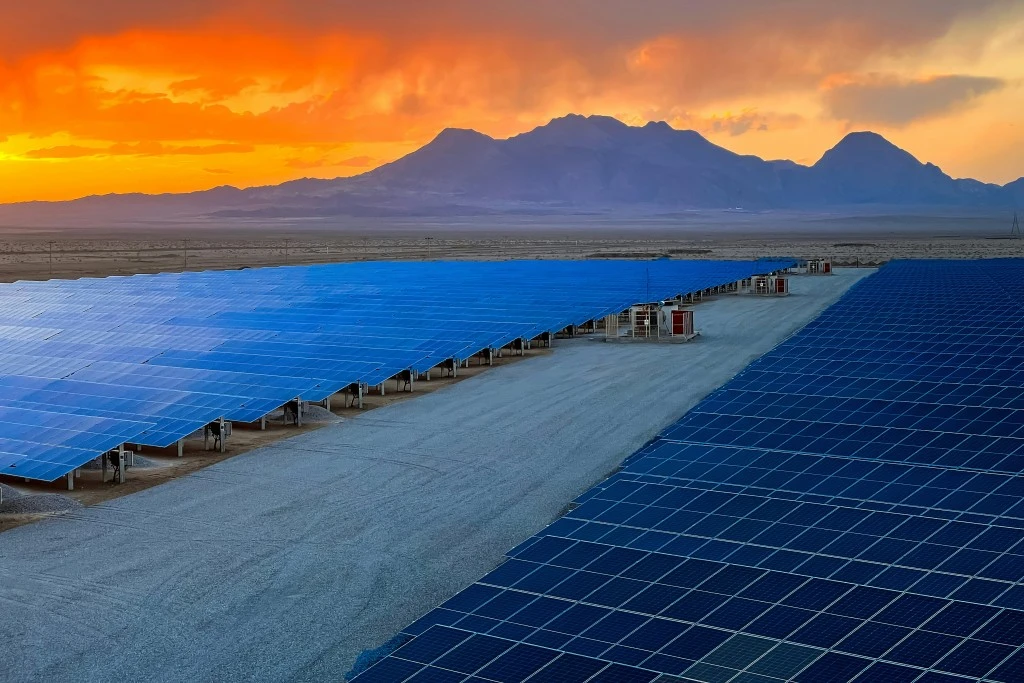
Tapping into the Sun’s Ever-Present Power
The global energy landscape is undergoing a profound transformation, shifting from a reliance on finite fossil fuels to a future powered by renewable energy. At the forefront of this change is solar power, a technology that converts abundant sunlight directly into electricity. But beyond the headlines of record growth, a crucial question emerges: how frequently does solar energy actually power our world? This transition from a niche technology to a mainstream energy source is accelerating daily, making it essential to understand solar’s true contribution to homes and industries.
Metrics for Measuring Solar’s Global Contribution
Measuring solar’s impact requires looking beyond raw capacity. We must understand the difference between installed solar capacity and actual electricity generation. Installed capacity is the maximum possible output. Actual generation shows real-world performance. Key indicators of solar’s frequency include its percentage share of a region’s total electricity mix and its contribution to new power capacity additions annually. These metrics provide a clearer picture of how often the sun is actively powering the electric grid.
Solar in the Home: A Growing Residential Pulse Worldwide
The rise of residential solar panels is a global phenomenon, driving a significant portion of the solar industry’s growth. Small-scale solar installations are becoming commonplace as homeowners seek energy independence and lower utility bills.
Economic reasons strongly motivate people to use solar energy. Federal incentives like the Investment Tax Credit, now called the Residential Clean Energy Credit, help homeowners. Local net metering policies let homeowners sell extra power back to the grid. These programs greatly reduce costs for homeowners. Government policy helps speed up solar adoption. Tools like feed-in tariffs support solar installation. Local support makes solar systems easier to get and more affordable.
Powering Industries: Solar’s Expanding Industrial Reach and Impact
Solar power is no longer just a residential solution; it’s a cornerstone of industrial energy strategy. Industries such as manufacturing and data centers install solar photovoltaic systems on-site. They do this to lower operating costs and meet sustainability goals. The backbone for this industrial consumption is utility-scale solar facilities, including massive solar farms that feed clean electricity directly into the grid for commercial use. Industries use solar energy for more than electricity. They use solar water heating and process heating. This use replaces fossil fuels in their thermal operations.
The Intermittent Challenge and “Always-On” Solutions
A primary challenge for solar is its intermittent nature, solar cells only generate power when exposed to sunlight. This creates a need for consistent power, especially for critical industrial processes and nighttime residential use. The solution lies in smart grid technology and advanced integration. Innovations like microinverters and central inverters improve how solar installations connect to the grid. Pairing solar with battery storage gives a reliable power supply all day and night.
Key Drivers Accelerating Solar’s Global Pulse
The global capacity to make solar panels has grown quickly. This growth has greatly lowered the cost of solar panels. Lower costs help more people use solar energy. This industrial scaling, backed by extensive research from institutions like the Department of Energy, has made solar power one of the cheapest forms of new electricity generation.
Regional Variations in Solar’s Global Pulse
Solar’s pulse varies geographically. In many emerging markets, solar provides a way to achieve energy access and economic growth, often leapfrogging the need for traditional fossil fuel infrastructure. Climate and geography heavily influence deployment, as the availability of peak sun hours directly impacts a site’s potential for solar energy generation. A comprehensive review shows that sun-rich regions are natural leaders in solar photovoltaic output.
The Future Trajectory: Towards a Solar-Powered World
The evolution of solar technology continues unabated. Next-generation solar cells and better system efficiency will produce more power from smaller areas. This improvement strengthens solar’s role in the global energy mix.
Conclusion: Solar’s Steadily Stronger Global Pulse
Solar energy’s contribution is becoming more frequent and vital with each passing year. A review of data from sources like the Energy Information Administration confirms its accelerating integration into our daily lives. Solar energy powers individual homes. It also energizes entire industries. Solar is changing from an alternative source to a main part of the global electric grid. This change leads to a cleaner and more sustainable energy future.
FAQs
Solar energy’s share grows every year, supplying a rising portion of global electricity. In many regions, solar now powers homes and industries daily, especially during peak sun hours.
Installed capacity measures maximum potential output, while actual generation shows real electricity produced. Real-world solar contribution depends on sunlight availability, system efficiency, and grid integration.
Battery storage and advanced inverters allow solar energy to be used day and night. These systems solve intermittency issues, making solar a dependable power source for homes and critical industries.