Companies in the UK are increasingly being expected to improve on their emissions, waste, and become more sustainable businesses. Be it a small store, warehouse, or a large organisation, it is not only good for the environment to improve your eco-friendly position but it is also cost-saving, brand-building, and customer confidence personifying.
This is an actionable step by step guide to making businesses greener, and as an aspect of sustainability, solar energy has a significant role to play.
Switching to renewable energy sources can be achieved.
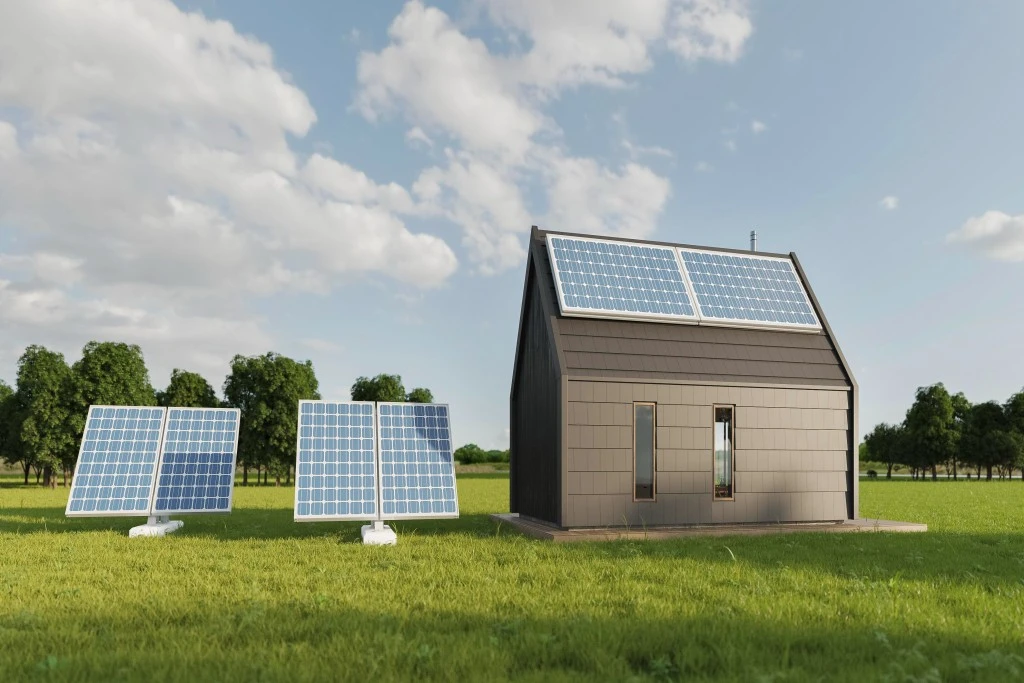
Probably one of the most fundamental and simple methods of enhancing environmental performance is moving to the use of renewable energy. One of the most affordable solutions to the UK businesses, currently, is solar panels. They fit on flat roofs, slate roofs, or garage roofs, and the amount of carbon footprint of a company is also greatly reduced.
Benefits include
- Lower energy bills
- Decreased dependency on fossil energy.
- UK Solar panel grants eligibility.
- Long‑term energy security
Panels may be coupled to a solar battery kit to allow companies to accumulate unused power to be consumed at night or during emergencies.
Enhance Energy efficiency in operations.
To become environmentally friendly, any business must be energy efficient. Even the most basic modifications will get significant savings:
- Switch to LED lighting
- Install smart thermostats
- Implement high efficiency equipment.
- Reduce standby power
- Conduct regular audits
Solar installation kits, and solar inverters in the UK as well as optimised solar-panel wiring can also be used in businesses that consume high amounts of electricity such as workshops or rural operations to minimise wastage of power
Decrease Waste and Recycling Programs.
A proper waste-management plan may help to considerably decrease the impact of a business on the environment:
- Reduce the use of paper through the electronic systems.
- Dispose packaging materials in the recycling field.
- Reduce plastic waste
- Recycling where feasible.
- Reuse shipping materials
Green waste measures can assist companies in ensuring a green business image and decreasing the impact in landfills.
Adopt Green Logistics and Transport.
The transportation is a significant cause of emissions. Some of the steps that can be taken effectively by the businesses include:
- Encouraging carpooling
- Changing to electric cars.
- Installing EVs chargers that run on solar-power.
- Delivery routes that are fuel efficient.
- Easing the physical movement of people with virtual meetings.
Logistics can also be made sustainable with solar-powered solutions such as solar AA battery chargers, solar-powered warehouse lighting and solar panels used on vehicles.
**Solar-Powered Leverage Products: Outbuildings and Rural Details.
There are numerous UK enterprises that run out of other buildings: farms, workshops, warehouses. These can be powered using:
- Solar panels for sheds
- Solar‑powered sheds
- Electricity to outbuildings supplied by the sun.
- Solar pumps
- Renewable energy solutions for plants.
This will lower the amount of power that is needed in the grid, reduce the fuel expenses and enable energy independence.
**Solar infrastructure security.
When a business presently employs solar panels, its operation should be efficient and green through maintenance:
- Use solar‑panel cleaners
- Set-up pigeon deterrent and bird mesh.
- Mount solar-panels on the roof and mounting optimisers.
- Panel setting and size must be maintained to produce optimum output.
Servicing is used regularly to enable businesses to stay at maximum generation and ensure the sustainability of the business over a long period of time.
Use Materials and Suppliers that are Sustainable.
Selecting environmentally friendly suppliers magnifies the green activities of a firm:
- Purchase media that is recyclable and/or biodegradable or made of low impact.
- Collaborate with suppliers in environmentally friendly and responsible ways.
- Import minimally of carbon-intensive goods.
An environmentally friendly supply chain contributes greatly to the sustainability of a business.
Education and Involvement of Employees.
When a team is engaged, a business becomes very eco-friendly. Encourage employees to:
- Reduce energy use
- Dispose of waste correctly
- Save water
- Sustainability in the support.
- Recommend environmental change.
Even companies can come up with charging points or solar power to charge small devices within their premises.
FAQs
Switching to renewable energy—especially solar panels—is often the quickest and most cost-effective step. It immediately reduces carbon footprint and energy bills.
Solar panels can be installed on flat roofs, pitched roofs, garages, warehouses, sheds, outbuildings, and even ground-mounted if roof space is limited.
Many do. Businesses may benefit from 0% VAT on solar installations, capital allowances, and local green-energy programmes. Eligibility varies by region and sector.
Battery storage allows businesses to use stored solar energy at night, during peak tariff times, or during power cuts—maximising savings and energy security.
Conclusion
Making green is not a task which involves extensive processes, but a few little steps can help achieve a great effect. By relying on renewable energy sources such as panels of solar energy or cutting down on waste and subsequent transport replacement with efficient ones, companies would work more efficiently and save a considerable amount of money as well as contribute to their reputation and power.