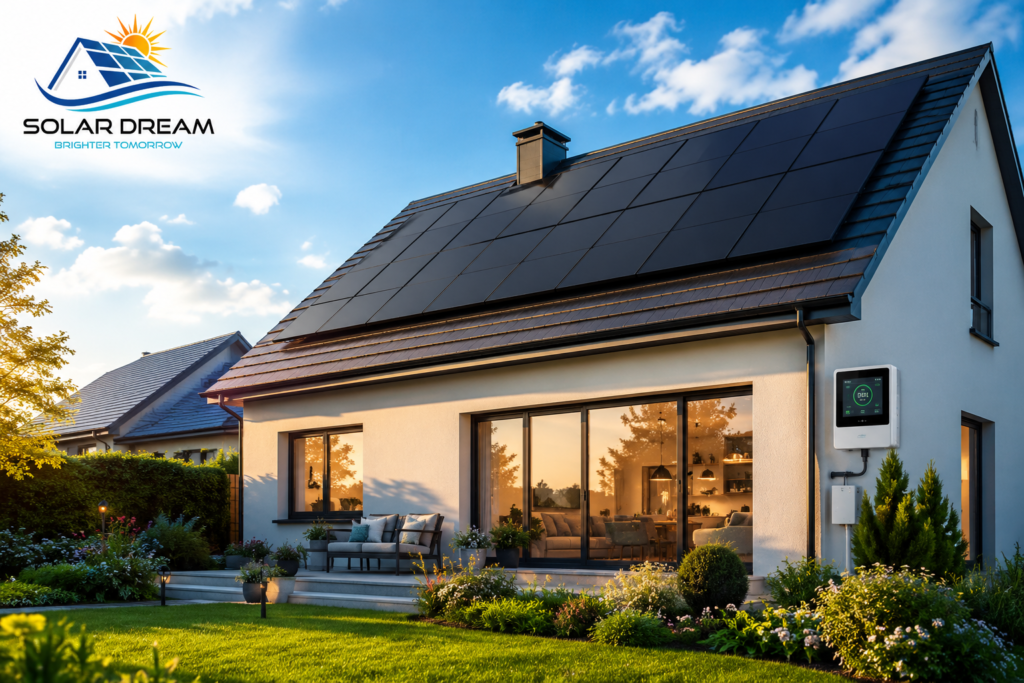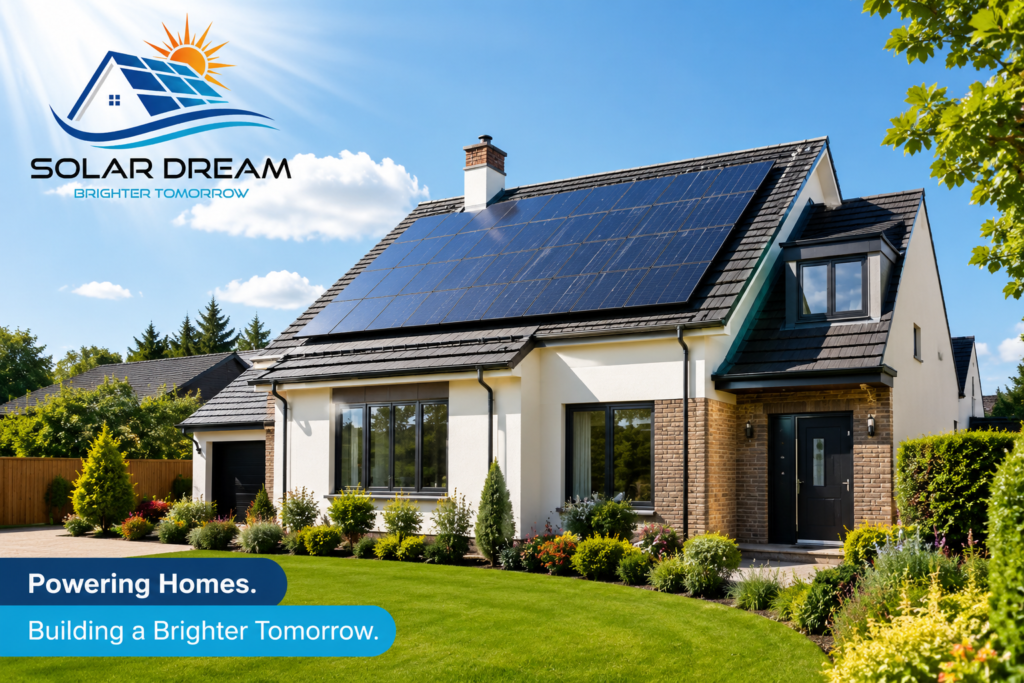
Solar Dream helps homeowners make confident, practical decisions about solar energy before they commit to an installation. For many households, solar panels for family homes can be a smart way to reduce reliance on the grid, manage rising electricity costs and make better use of the roof space they already have. But before you install, it is important to understand how your roof, energy usage, battery options, installation process and long-term savings all work together.
Why Family Homes Are Well Suited to Solar Panels
Family homes often use electricity throughout the day and evening. Washing machines, dishwashers, lighting, laptops, televisions, cooking appliances and heating controls can all add to monthly energy use. Solar panels help by generating electricity during daylight hours, which can then be used directly in the home.
The biggest benefit usually comes when your household uses a good amount of the electricity your panels generate. For example, if someone works from home, children are at home after school, or appliances are used during the daytime, your solar system may support more of your normal routine. Solar panels can still work on cloudy days, although they produce more electricity in stronger sunlight. Energy Saving Trust confirms that solar panels for family homes do not need direct sunlight to work, and that they can still generate electricity on cloudy days.
Check Your Roof Space First
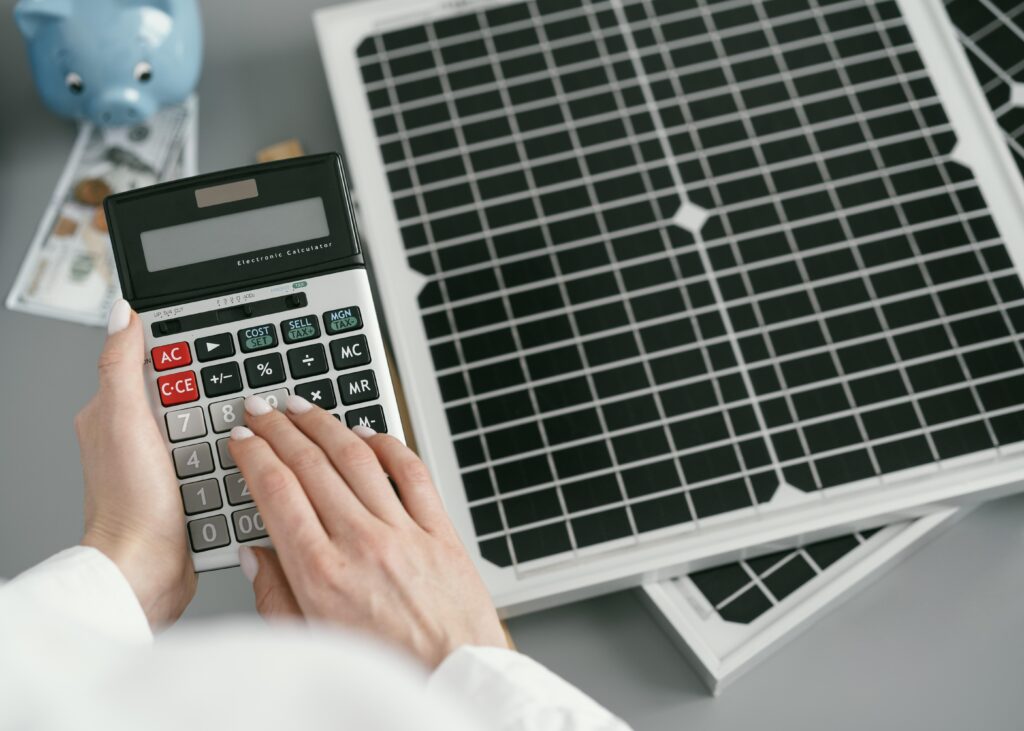
Before thinking about battery storage or savings, your roof is the first thing to check. Solar panels need enough clear, usable space to perform well. The size of the system depends on your roof area, roof shape, shading, orientation and your household’s electricity needs.
A typical home solar panel system is often around 3.5kWp. Energy Saving Trust says this may use around six to 12 panels and usually covers about 10 to 20 square metres of roof surface.
Not every roof needs to be perfect, but some roofs are better than others. A south-facing roof with little or no shading is usually ideal because it receives more sunlight across the day. East-facing and west-facing roofs can still work well, especially if your household uses energy in the morning or later afternoon. Energy Saving Trust notes that east or west-facing systems may generate around 15–20% less energy than a directly south-facing system, while north-facing roofs are usually not recommended.
You should also check for shading from trees, chimneys, neighbouring buildings, aerials or roof features. Even partial shade can affect performance, depending on the system design. A proper solar survey should look at these details before any quote is finalised.
Understand Your Family’s Energy Usage
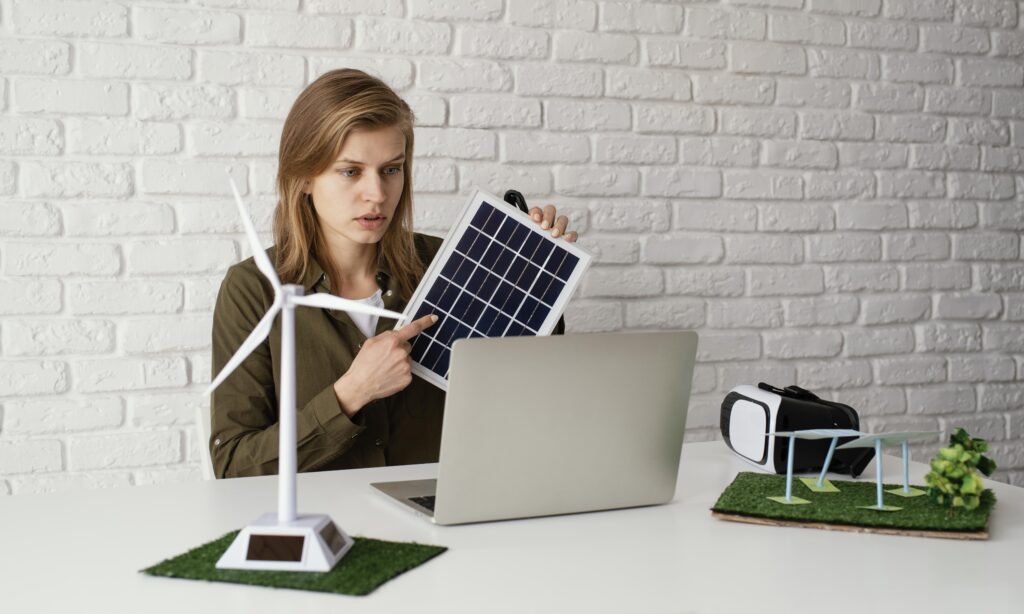
Solar panels should be designed around how your household actually uses electricity. A family that uses more energy during the day may benefit differently from a family that is mostly out until evening.
Before installation, look at:
- Your average electricity use across the year
- When your home uses the most electricity
- Whether anyone works from home
- Whether you use electric heating, an EV charger or high-use appliances
- Whether your energy use is likely to increase in future
This matters because a solar system is not just about fitting as many panels as possible. A well-designed system should match your roof space and your real usage pattern. Oversizing without a clear reason can increase upfront cost, while undersizing may limit the benefit.
For many family homes, small behaviour changes can improve solar savings. Running dishwashers, washing machines or tumble dryers during daylight hours can help you use more of your own solar electricity instead of buying power from the grid.
Should You Add a Solar Battery?
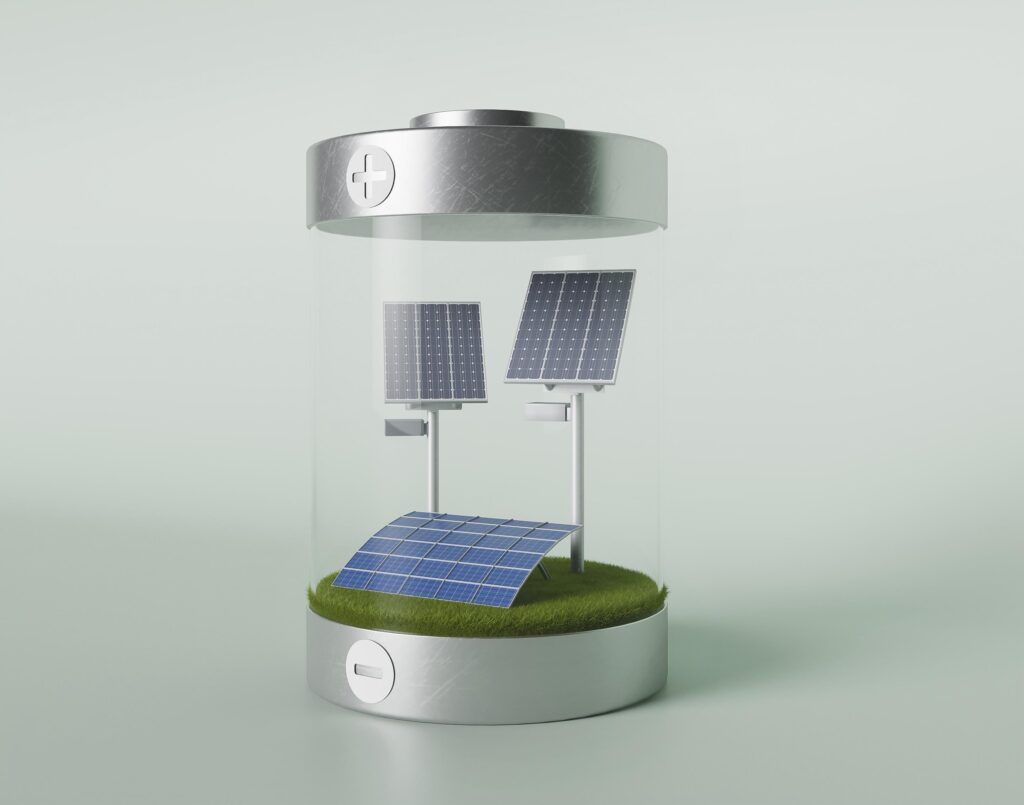
A solar battery stores excess electricity generated by your panels so you can use it later, usually in the evening or at night. This can be useful for family homes because energy demand often rises after school and work, when solar generation is lower.
Battery storage can help you use more of the electricity your panels produce. Energy Saving Trust explains that battery storage lets you store excess solar energy and can also be topped up from the grid when electricity is cheaper, depending on your tariff.
However, a battery is not automatically right for every home. It adds cost, so the decision should be based on your household’s usage, tariff, budget and long-term plans. A family that uses very little energy in the evening may not need a large battery. A family with higher evening use, an EV charger or plans to increase electricity use may benefit more.
The key question is simple: will the battery help you use more low-cost or self-generated energy often enough to justify the extra investment?
What Happens During Installation?
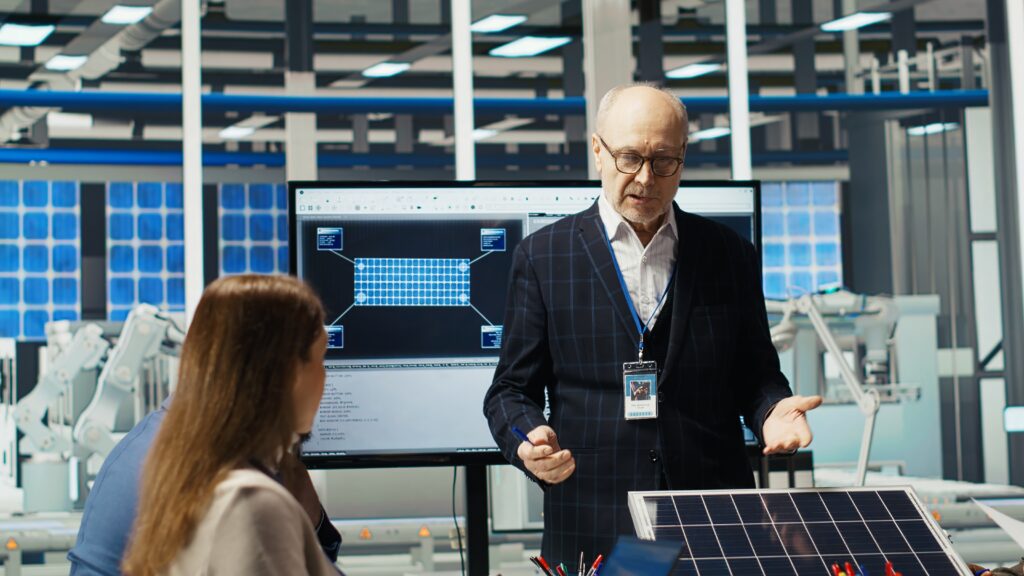
A good installation should begin with a proper consultation and survey. This should include your roof type, roof condition, available space, shading, electrical setup and energy usage. You should receive a clear system design before work begins.
The usual process includes:
- A home energy and roof assessment
- System design and quotation
- Scaffolding, if needed
- Panel mounting and roof work
- Inverter installation
- Optional battery installation
- Electrical connection and testing
- Handover documents and aftercare guidance
Energy Saving Trust recommends getting quotes from MCS-certified installers. MCS certification is important because it gives homeowners a recognised quality standard and is commonly linked to accessing export payments through the Smart Export Guarantee. MCS also states that homeowners can sell excess electricity back to the grid using the Smart Export Guarantee, and it advises using certified installers for solar PV and battery storage.
Before agreeing to an installation, homeowners should ask what is included in the quote. Check whether scaffolding, bird protection, monitoring, warranties, battery setup, electrical upgrades and aftercare are included or charged separately.
Be Realistic About Savings
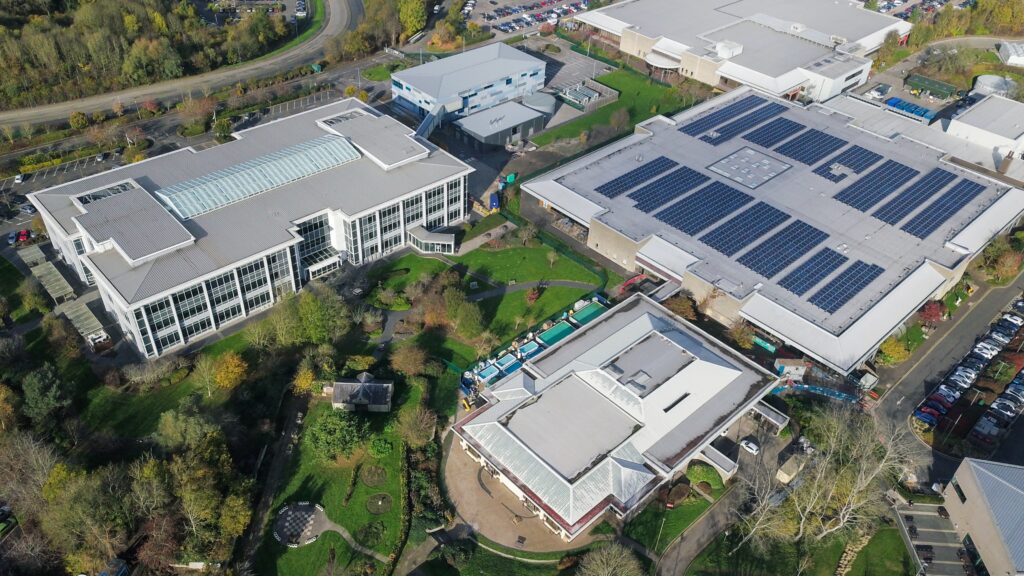
Solar panels can reduce electricity bills, but the exact saving depends on the property and household. No company should promise the same saving for every family home.
Your savings depend on:
- System size
- Roof direction and shading
- How much electricity your home uses
- How much solar energy you use directly
- Whether you add battery storage
- Your electricity tariff
- Export payments
- Future energy prices
The honest view is that solar savings are strongest when your home uses a high proportion of the electricity generated by the panels. Exporting extra power to the grid can help, but using your own solar electricity is usually more valuable than relying only on export income.
This is why a personalised assessment is better than a generic online estimate. A family home with a suitable roof, daytime energy use and a well-sized battery may have a different financial outcome from a home with heavy shading and low daytime usage.
Think About the Future of Your Home

Solar panels are not only about today’s bills. They can also support future household changes. If you plan to buy an electric vehicle, install a heat pump, build an extension or have more people living in the home, your electricity use may increase.
It is worth discussing future plans before installation. Your installer may recommend a system that allows for future battery storage, EV charging or additional panels where practical. Planning ahead can avoid paying twice for changes later.
You should also consider your roof condition. If your roof is old or likely to need repairs soon, it may be better to deal with roof work before installing panels. Removing and reinstalling panels later can add unnecessary cost.
Questions to Ask Before You Install
Before choosing a solar provider, ask clear questions:
- How many panels will fit on my roof?
- How much electricity is the system expected to generate?
- How much of that electricity am I likely to use myself?
- Is a battery suitable for my household?
- What warranties are included?
- Is the installer MCS-certified?
- What happens if there is a problem after installation?
- Will I receive monitoring so I can track performance?
- Are there any extra costs not shown in the quote?
A trustworthy solar consultation should answer these questions clearly, without pressure or exaggerated promises.
Final Thoughts
Installing solar panels for family homes can be a practical step towards lower energy bills, cleaner electricity and better long-term control over household energy use. The right system depends on your roof space, daily electricity habits, battery needs, installation quality and realistic savings expectations. Solar Dream can help you understand these factors clearly and choose a system that fits your home, your family and your budget. Book a free solar consultation today and take the first step towards a smarter home energy setup.